
Croatia leads the region in a strategic EU project to protect the sea and water, and to drive innovation
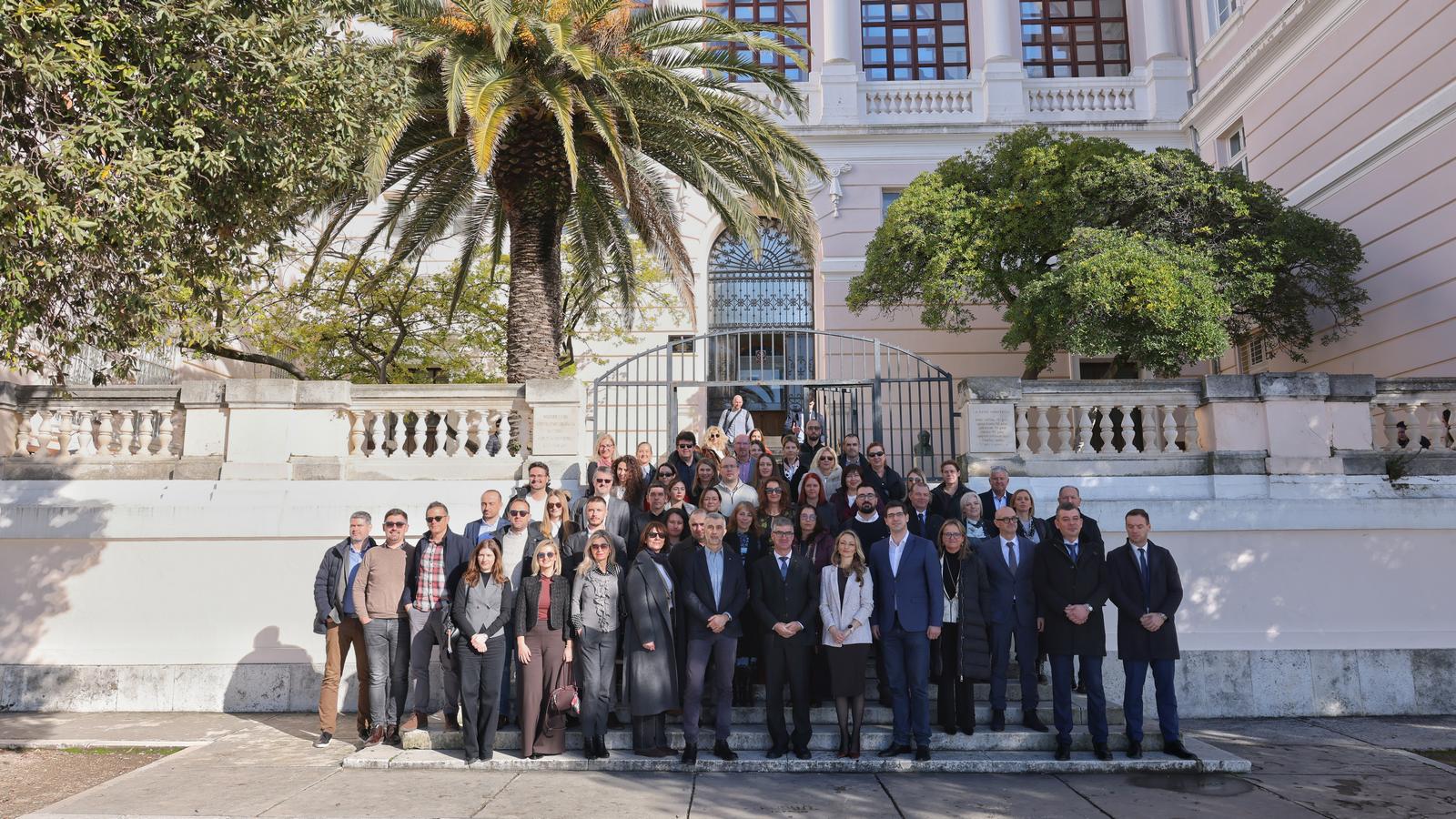
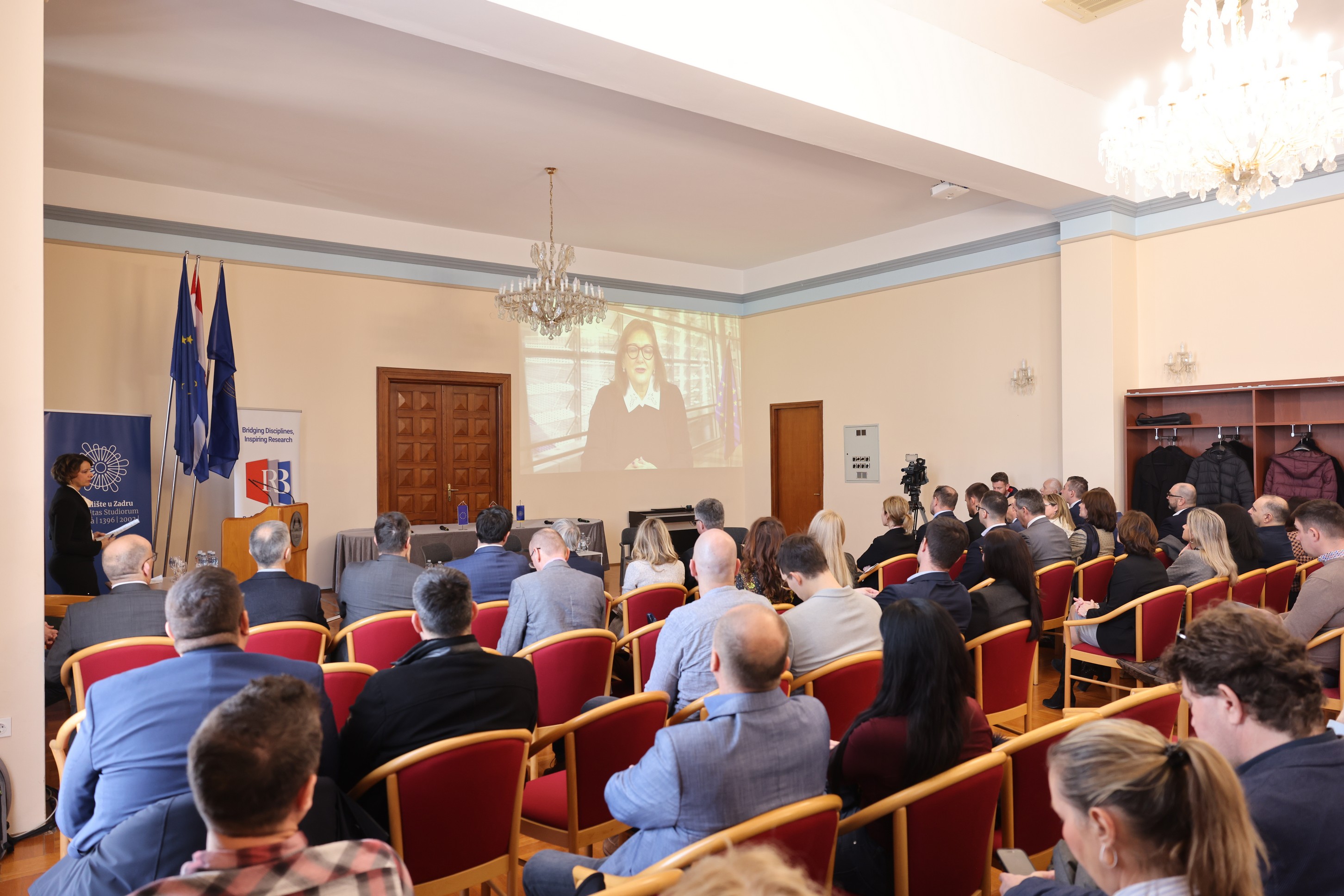
Croatia has become the regional hub of the European EIT Water Knowledge and Innovation Community, one of the European Union’s largest projects for protecting the sea and water, and developing the blue economy, as highlighted today at an event held at the University of Zadar. This is the first time Croatia has taken on the role of a regional coordination center within the European Institute of Innovation and Technology, EIT, which is a major recognition of the national science and innovation system in the European context. The regional co-location center for the Adriatic Ionian region, CLC South, presented today will be coordinated by the Ruđer Bošković Institute, RBI, and the Innovamare Digital Innovation Hub, DIH Innovamare.
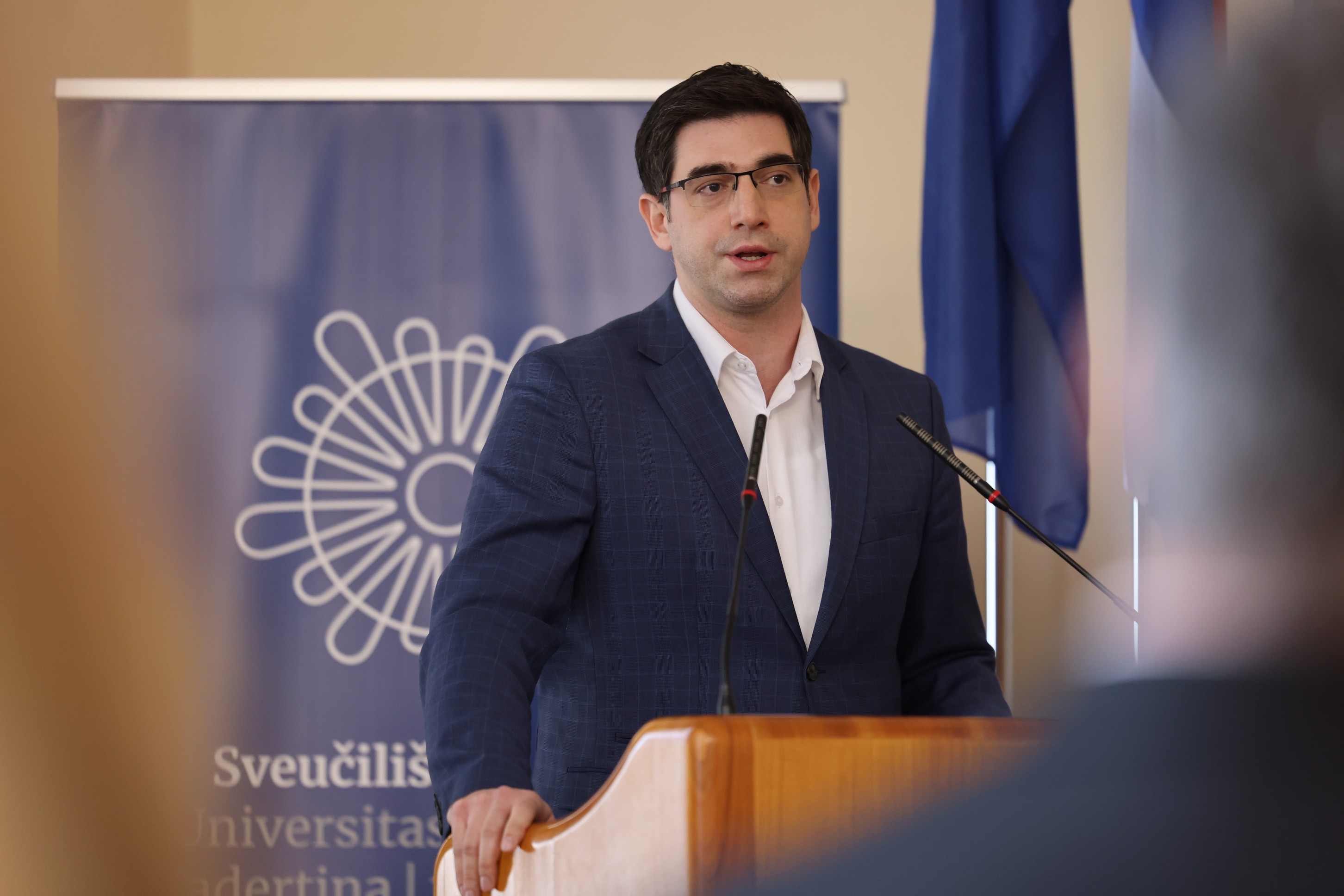
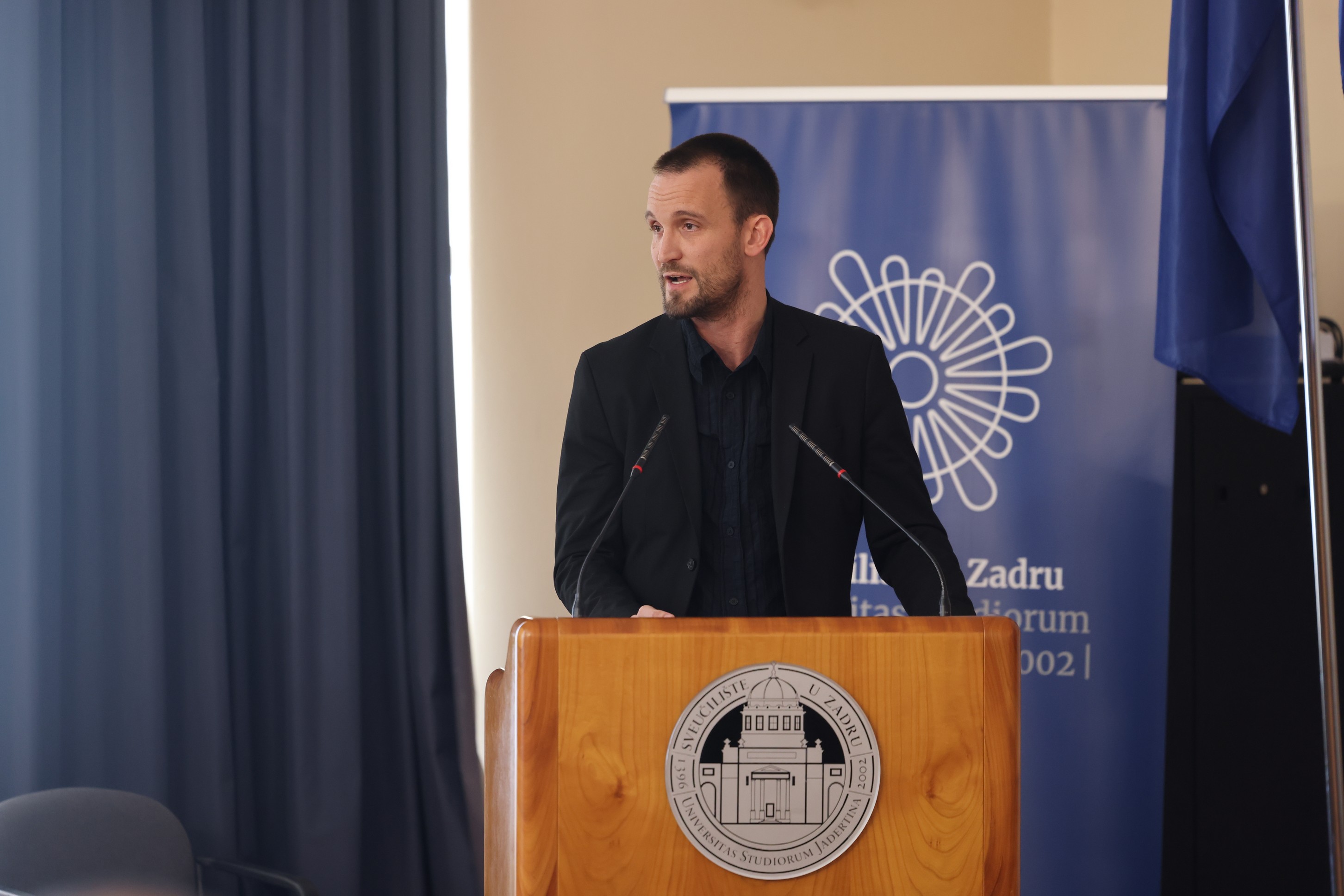
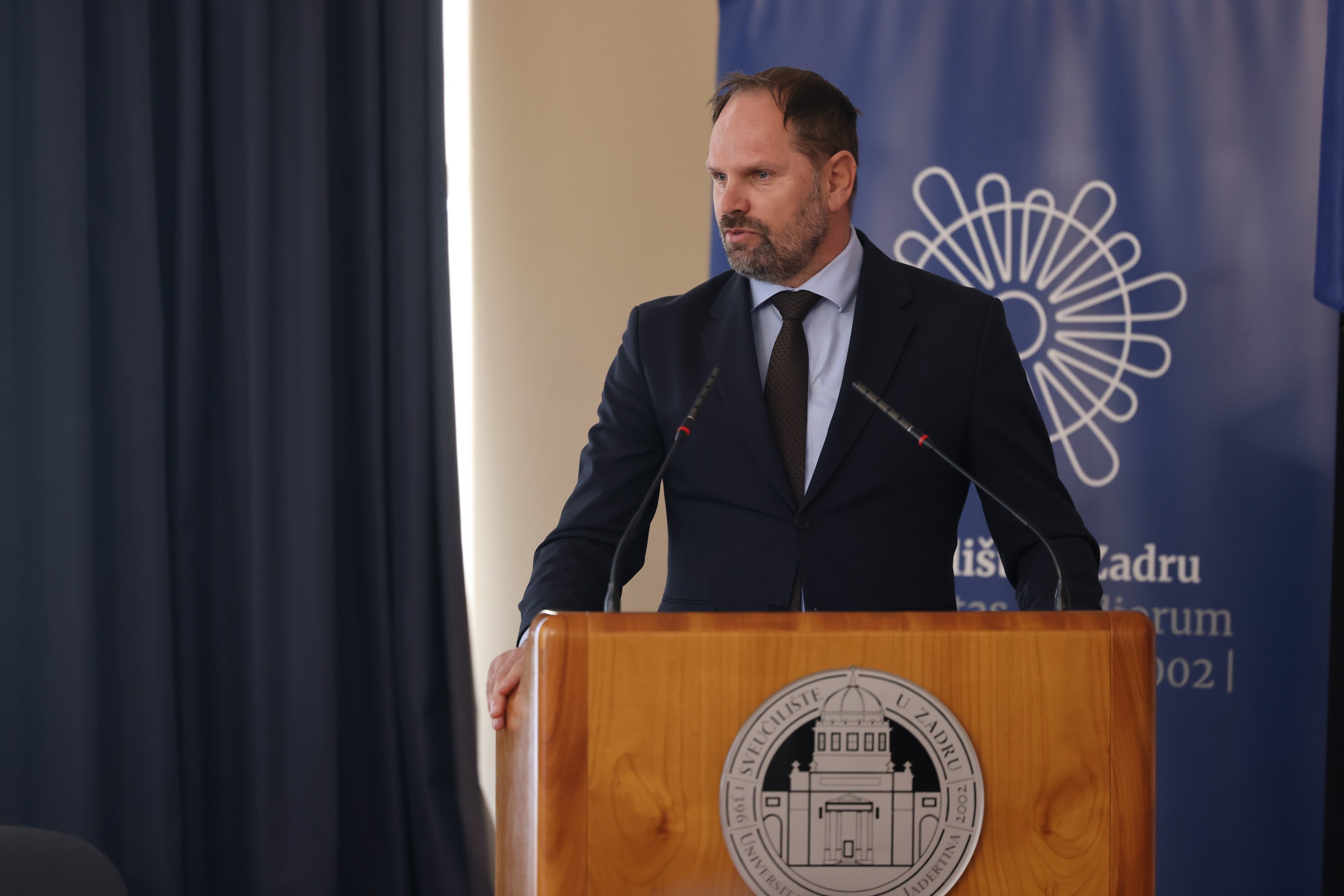
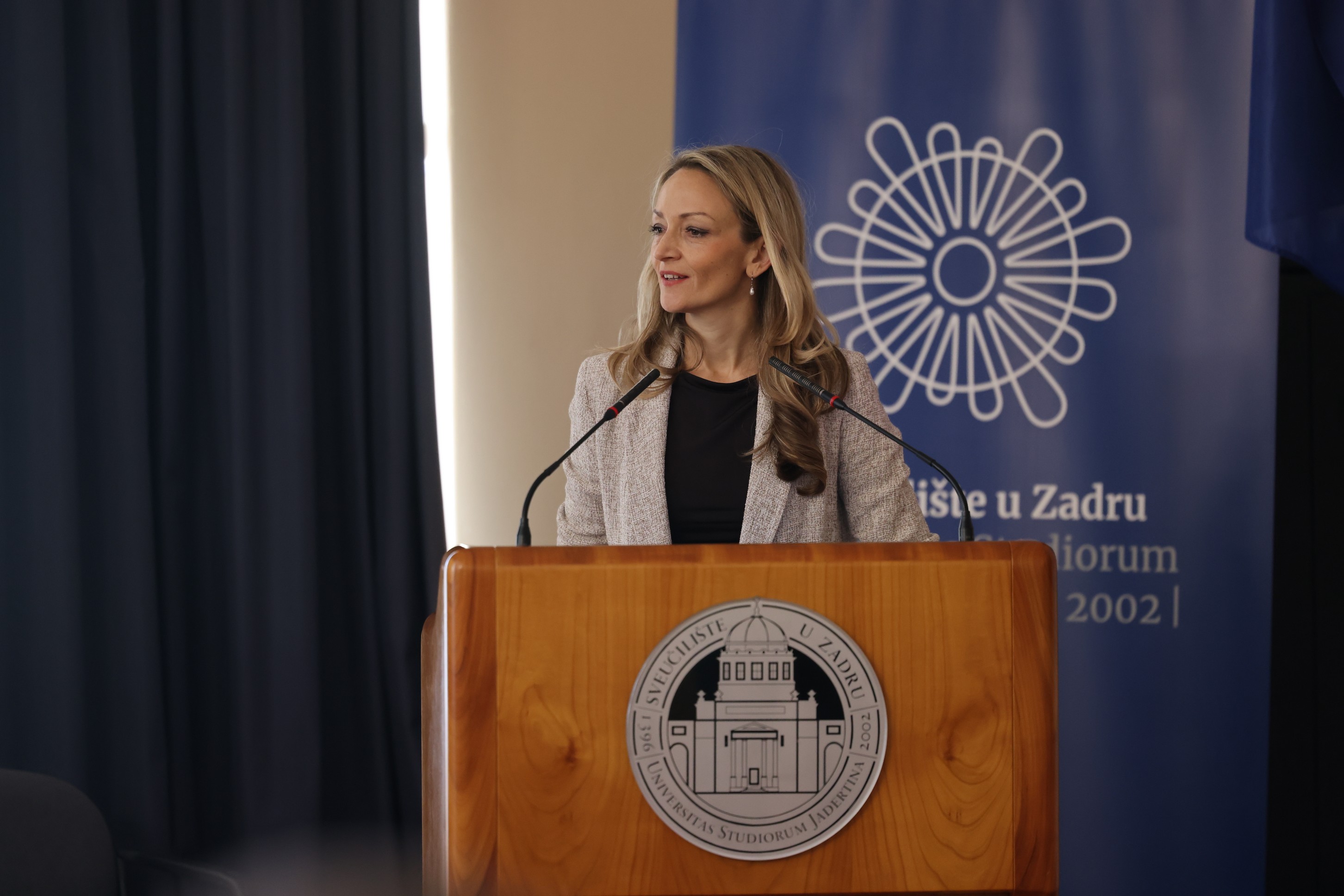
The event in Zadar brought together representatives of the European Commission, the European Parliament, the Croatian Government, academia, and the innovation sector. In the opening remarks, strong support for the project was expressed by Dubravka Šuica, European Commissioner for the Mediterranean, Iva Ivanković, envoy of the Prime Minister of the Republic of Croatia and State Secretary at the Ministry of Science, Education and Youth, Karlo Ressler, Member of the European Parliament, Šime Erlić, Mayor of the City of Zadar, Robertino Dujela, Deputy Prefect of Zadar County, and Anne Zachariassen, Deputy Ambassador of the Kingdom of Denmark to Croatia.
Alongside the formal presentation of the initiative and Croatia’s role, a panel was also held on cross-sectoral support for innovation in the fields of water and the blue economy, featuring key representatives of the relevant ministries, Luka Novosel, Chief Adviser to the Minister of Regional Development and EU Funds, Elizabeta Kos, Director-General from the Ministry of Environmental Protection and Green Transition, Hrvoje Meštrić, Director-General at the Ministry of Science, Education and Youth, and Damir Šoštarić, Director-General at the Ministry of the Sea, Transport and Infrastructure.
As much as EUR 150 million for protecting the sea and water, and boosting the blue economy
The total value of the EIT Water project is EUR 150 million over six years, bringing together 50 founding partners from 24 European countries. The consortium is led by Aarhus University in Denmark, and partners include leading research institutes, universities, startups, public institutions, and the private sector, among them the Fraunhofer Institute, Aqua Publica Europea, National Technical University of Athens, Universitat Politècnica de València, VITO, and other distinguished institutions.
The southern co-location center covers 10 countries of the Adriatic Ionian and Mediterranean region, including Italy, Greece, Slovenia, Montenegro, Serbia, Albania, Cyprus, and others. The center’s headquarters is planned to be in Zadar, with operational hubs in Šibenik, Split, Rijeka, and Dubrovnik. The aim of the center is to connect science, industry, and the public sector in order to develop practical solutions to challenges such as water scarcity, degradation of marine ecosystems, floods, droughts, and biodiversity loss.



A new phase for Croatia, from participant to leader
By taking on the coordination role, Croatia moves from being a participant to becoming a leader of European innovation processes in the fields of water and the sea. The project opens opportunities for new investment in research, job creation in high value added sectors, and strengthening startups, and small and medium-sized enterprises developing technologies for the sea, water, the environment, and energy. According to partners’ estimates, Croatian institutions could be given priority participation in projects focused on developing smart sensors for monitoring sea water quality, digital management of coastal infrastructure, and innovative circular economy solutions in tourism and aquaculture.
CLC South is conceived as a “living laboratory” for pilot projects, and a space for cooperation among research institutions, ministries, local government, and the private sector, in line with the European Green Deal and the Blue Economy Strategy. The project further strengthens the role of science and education by enabling young researchers to join European innovation networks, while giving cities and local communities access to European funds and strategic partnerships, and increasing resilience to climate change.
Strong institutional support
Behind the success of Croatia’s role in the EIT Water project stands a strong team of domestic institutions and cities that together are building a bridge between science, innovation, and the local community. In addition to partners from science, academia, and the private sector, key support is provided by the cities of Zadar, Šibenik, Rijeka, Split, and Dubrovnik.
The opening speeches, presentations, and the cross-sectoral panel discussion in Zadar clearly showed that EIT Water marks a turning point for Croatia, as it moves into the position of a leader and shaper of European innovation initiatives. In a country whose millennia-old communities are tied to water, the sea, and the coast, this is a historic opportunity for a strategic shift toward sustainability, knowledge, and a new generation of blue technologies.
As emphasized during the event, without science and education there can be no successful economic development, and without innovation there can be no security for future generations. EIT Water, and Croatia’s role within it, proves that Europe takes that message seriously, and now it is being led from Croatia.
Media Statements
- Dubravka Šuica, European Commissioner for the Mediterranean: “EIT Water is yet another strong proof that Croatia is not merely a participant in strategic European initiatives, but is taking on a leadership role. At a time when innovation, sustainability, and resilience are key words in European policies, this project shows that we know how to connect science, the economy, and local communities into concrete development models. Coordinating the Adriatic Ionian center from Croatia is an important step for our international standing, and for all our citizens who rightly expect visible and useful results from Europe.”
- Assoc. Prof. Iva Ivanković, PhD, envoy of the Prime Minister of the Republic of Croatia and State Secretary, Ministry of Science, Education and Youth: “We are particularly pleased that the Republic of Croatia will lead the first co-location center in this part of Europe, and that our largest public research institute, the Ruđer Bošković Institute, together with DIH Innovamare, is the coordinator of this important center.”
- Karlo Ressler, Member of the European Parliament: “Positioning Croatia as the regional hub of EIT Water is a strong signal of the European Union’s political confidence in Croatia’s ability to assume a leading role in shaping policies related to the Adriatic and the Mediterranean. At the same time, the project opens access to European funds and strategic partnerships, and strengthens the link between science, innovation, and local communities in addressing climate and environmental challenges.”
- Šime Erlić, Mayor of Zadar: “The EIT WATER regional center in Zadar is international recognition not only for Croatian science, but also for the economy. Our city, as a hub of Croatian maritime affairs, tourism, and fisheries, is being given a unique opportunity to be at the heart of developing innovative solutions to our key challenges, solutions that ensure sustainability and the deployment of new generations of blue technologies.”
- Robertino Dujela, Deputy Prefect, Zadar County: “Locating the EIT Water regional center in Zadar County represents a major recognition and an opportunity for development. The center will open up new opportunities for projects, employment, and the use of European funds, delivering tangible benefits to all towns, municipalities, and residents of the region.”
- Prof. Josip Faričić, PhD, Rector of the University of Zadar: “Participation in this strategic project strengthens the role of the University of Zadar as a strong academic hub, increases scientific and educational capacities, and offers professors and students concrete opportunities to join European networks of innovation and cooperation.”
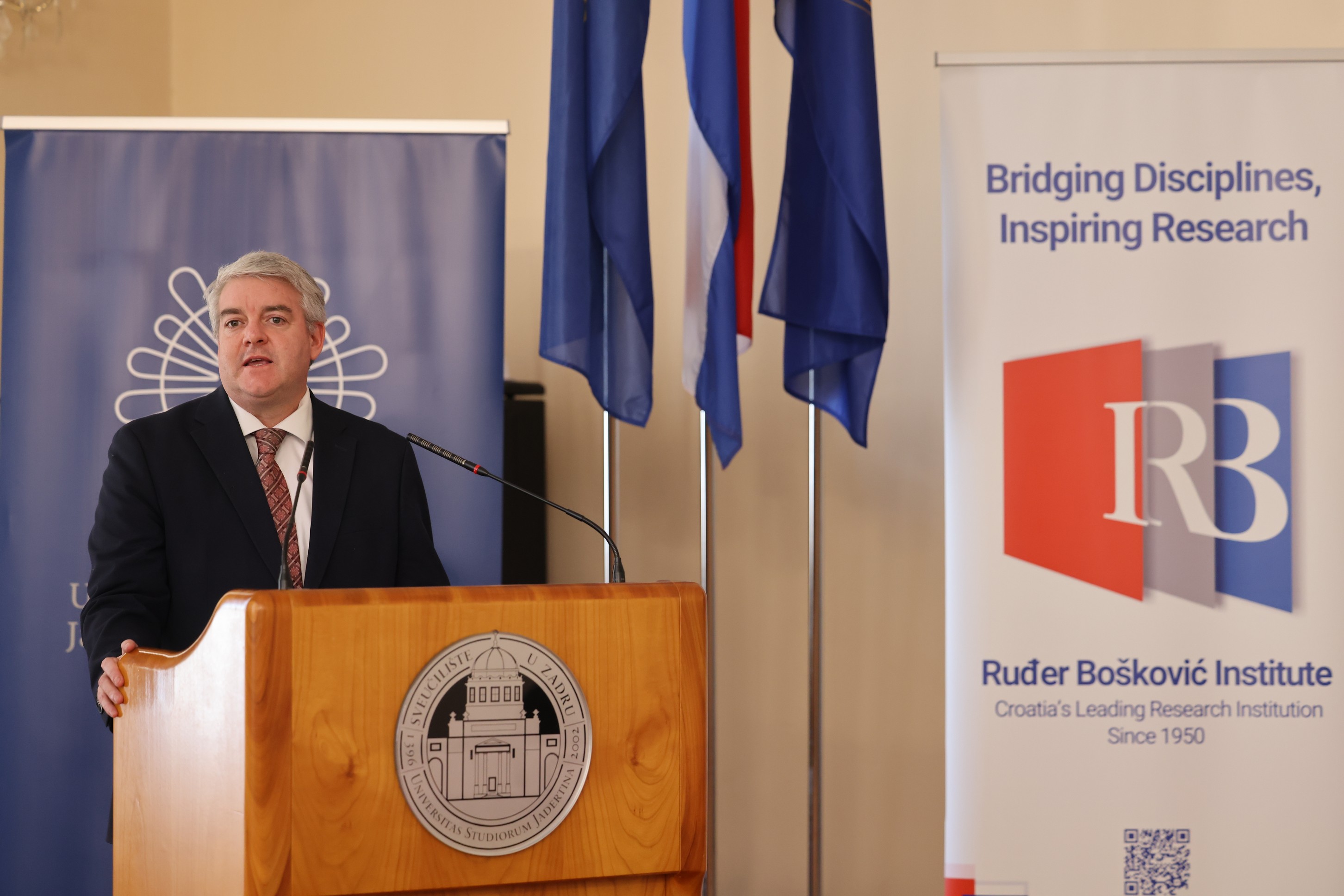
- David M. Smith, PhD, Director General of the Ruđer Bošković Institute: “The Ruđer Bošković Institute brings top-tier scientific expertise and infrastructure. With our scientists, laboratories, and research vessels, we are ready to connect science with practical solutions for the sea and the environment.”
- Mateo Ivanac, President of the Management Board of DIH Innovamare: “Through DIH Innovamare, we have created a strong network that brings together scientists, entrepreneurs, and institutions with the aim of developing smart solutions for the sea. The goal is to create new jobs, and to support the development of small and medium-sized enterprises, innovation, and technologies with concrete application in addressing the problems the region is facing.”
Contact Us
EIT Water