

Personalised cancer medicine, from “one therapy for all” to therapy based on the tumour profile
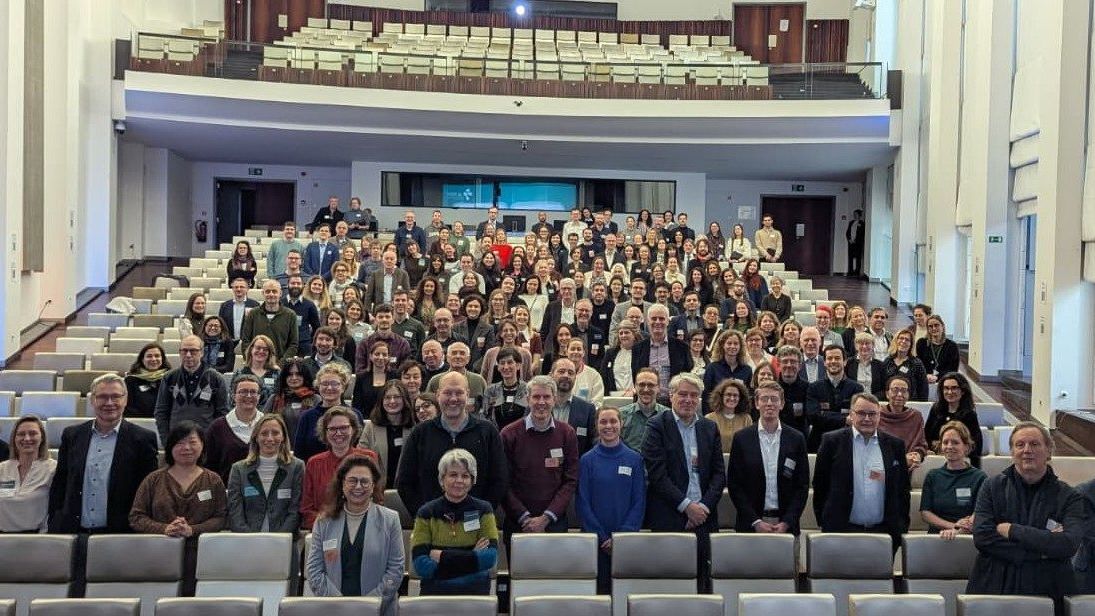
That very question is at the heart of the European project Joint Action on Personalised Cancer Medicine (JA PCM), funded through the EU4Health programme. The project includes a team from the Ruđer Bošković Institute (RBI), participating as an associated partner of the Sestre milosrdnice University Hospital Centre (UHC Sestre milosrdnice).
The aim of JA PCM is to establish a sustainable cross border network that promotes innovation, equity, and collaboration in personalised cancer prevention, diagnostics, treatment, monitoring, and tertiary prevention. The project is coordinated by Sciensano, the Belgian institute for public health, and brings together 29 European countries and more than 140 partner organisations.
At the RBI, project activities involve Dr Neda Slade, Dr Maja Herak Bosnar, and Dr Petar Ozretić from the Department of Molecular Medicine. Their contribution focuses on strengthening the personalised approach to cancer treatment, education, and knowledge transfer.
An important part of this experience comes from the work of the National Committee for treatment guided by comprehensive genomic profiling, in which RBI experts have been permanent members for the fourth year, appointed by the Minister of Health of the Republic of Croatia. The committee meets every week to review cases of patients with advanced malignant diseases and, based on findings from genetic testing related to cancer development, helps determine the next steps in therapy, including targeted drugs.
The experience gained by this RBI research team in this type of decision making can contribute to educating experts in countries where a similar model has not yet been fully established, while also enabling knowledge exchange and learning about new therapeutic approaches, especially in complex cases.
Liquid biopsy, standardising non invasive sampling
Within the work packages involving scientists and physicians from Croatia, there is also a strong focus on standardising and applying liquid biopsy, primarily the analysis of a blood sample, as a non invasive method that can be used for diagnostics, selecting the optimal drug, and monitoring disease, that is, treatment effectiveness.
In practice, liquid biopsy is not just “drawing blood”. For results to be reliable and comparable, standards must be agreed and followed, how the sample is taken, how it is processed, how it is analysed, and how the result is interpreted. This is precisely why part of the project focuses on implementing and harmonising procedures, because without that, the “network” remains a good intention, not a tool that works.
What will JA PCM deliver in concrete terms?
JA PCM is designed to, alongside pilot activities, develop guidelines and tools for advanced diagnostics, platforms and rules for data sharing, educational materials, and an international expert panel for adults and children.
In other words, the project is not aiming only for “yet another set of recommendations”, it is aiming for the operational prerequisites that allow personalised care to be delivered in a stable, comparable, and fairer way across countries.