

What pressures are affecting the Adriatic? IRB scientists seek answers along the western Istrian coast
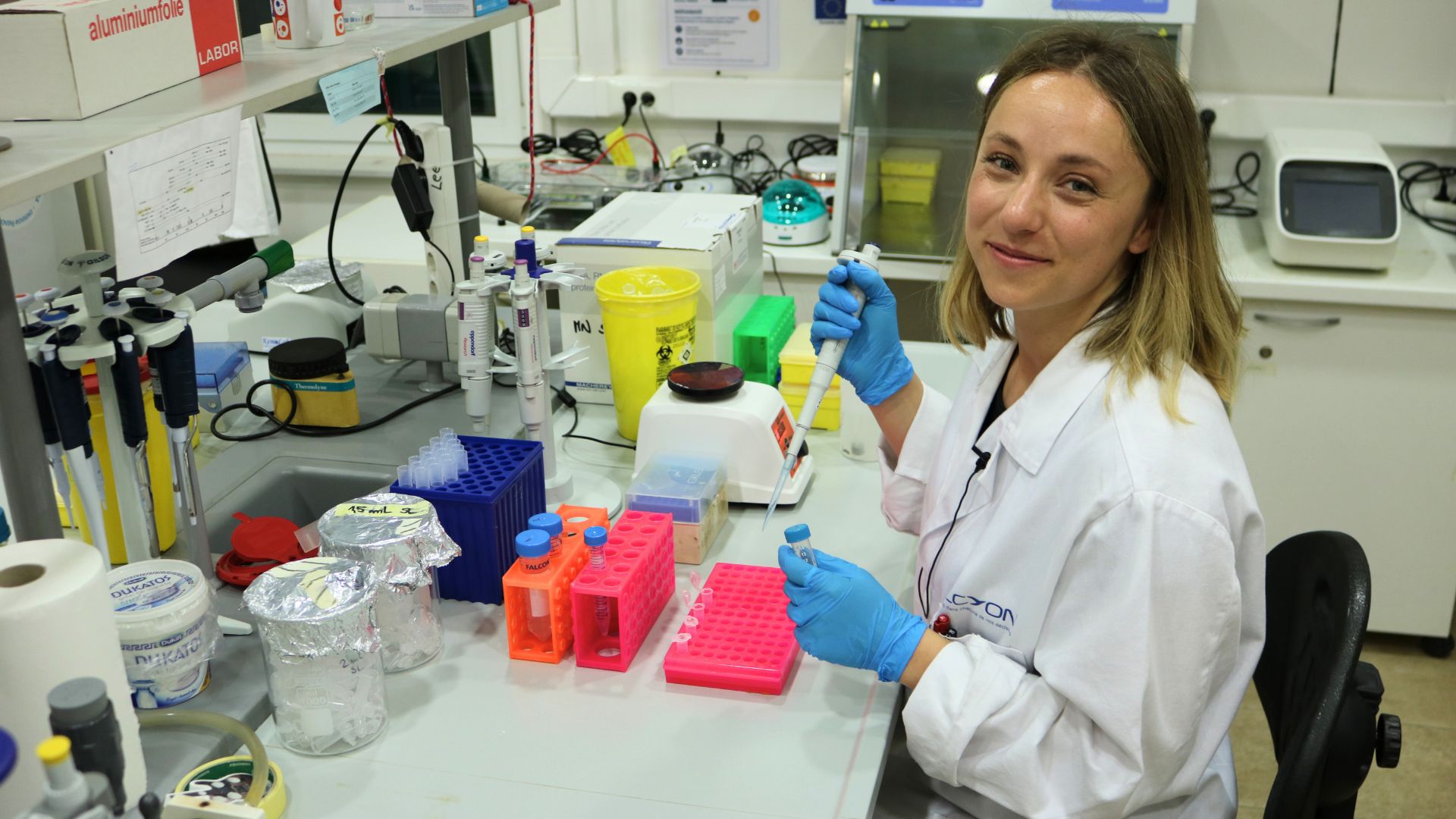
Mia Knjaz
The summer season is at its peak, with millions of tourists visiting the Adriatic and the wider Mediterranean. Beaches are crowded, maritime traffic is more intense, and numerous vessels anchor daily in shallow bays. At the same time, wastewater and waste volumes increase, while engine noise, artificial lighting and damage to the seabed place additional pressure on a sea that is already warming as a result of climate change.
Each of these pressures leaves its mark. They occur simultaneously, overlap and may reduce the resilience of marine ecosystems. Their cumulative impact can therefore have more serious consequences than any single pressure acting alone.
This is precisely why the international MIRAMAR project was launched. Scientists from six Mediterranean countries are working to understand how different human-induced and climate-related pressures interact and what their combined impact means for marine habitats and the organisms that depend on them. The aim is to develop science-based protection and restoration measures tailored to the actual environmental conditions of each area.
“We know that human activities affect marine ecosystems in many different ways and that these effects are often harmful. However, climate change, noise, light pollution, chemical pollutants, invasive species and marine litter do not act in isolation. Marine organisms are exposed to several pressures at the same time, and we need a much better understanding of their combined effects,” explains project researcher Dr Mia Knjaz of the Centre for Marine Research at the Ruđer Bošković Institute.
How do we diagnose what is really affecting the sea?
Marine protection efforts often focus on a single visible problem, such as litter, seabed damage or the disappearance of a particular species. But removing one pressure may not be enough when an area is simultaneously affected by cumulative pressures such as rising sea temperatures, chemical pollution, noise and invasive species.
As part of the project, scientists will measure a wide range of parameters, including seawater temperature, salinity and pH. They will also investigate microplastics in seawater, sediments and on beaches, monitor plant and animal species, with particular attention to invasive species, and record levels of underwater noise, light pollution and chemical contaminants.
By combining these data, the researchers will seek to determine which pressures occur together, how intense they are and how their cumulative effects influence different marine habitats.
“We can compare this approach to medicine. Before prescribing treatment, a doctor must first make a diagnosis, and the same applies to the sea,” explains Knjaz. “We first need to establish the condition of the environment, identify the pressures that are present and understand how they interact. Only then can we choose a measure that has a realistic chance of delivering meaningful results.”
From seawater samples to the bigger picture
Establishing such a diagnosis begins in the field. Biologists, chemists, divers and other experts travel by research vessel to selected sites, where they collect seawater and sediment samples and record the organisms living there.
Once they return to shore, the work enters a new phase. Samples are processed in the laboratory, and some analyses must begin immediately, meaning the work can continue throughout the day and sometimes well into the night. Depending on the type of sample and measurement, it may take several days or even weeks before the first results are available.
“Fieldwork is only the first step. It is followed by hours in the laboratory, data analysis, computer work and a great deal of careful thinking. Only by bringing all of these data together can we understand what is really happening in the sea,” says Knjaz.
When nature becomes part of the solution
The aim of MIRAMAR is not only to document environmental problems, but also to develop nature-based solutions, measures that work with the processes already present in healthy ecosystems.
Rather than automatically protecting coastlines with new artificial structures, in some areas a better solution may be to restore natural habitats that already reduce wave energy, stabilise the seabed and provide living space for other species.
One example is the restoration of seagrass meadows, biodiversity hotspots where numerous plants and animals find food, shelter and breeding grounds. In terms of their ecological role, they can be compared to forests on land: when a forest disappears, it is not only the trees that are lost, but entire communities of plants and animals that depend on them.
“The roots and below-ground structures of seagrasses help stabilise the seabed, while their leaves slow water movement and reduce wave energy. In this way, they limit sediment resuspension and erosion while also storing carbon over the long term,” explains Knjaz.
“This is why restoring seagrass meadows addresses more than one problem. It can restore lost habitat for native species, increase biodiversity, stabilise the seabed and contribute to climate change mitigation. Such measures benefit both nature and people while working with, rather than against, the ecosystem.”
MIRAMAR will therefore bring together environmental monitoring, scientific analysis and practical conservation measures. The sea is not facing a single problem, so it cannot be protected through a single universal solution. Every bay, every cove and every seagrass meadow requires careful attention, a clear understanding of local conditions and solutions tailored to the complexity of the ecosystem.
