

Nobel Laureate John Martinis at RBI: “I Want to Help Young Researchers Become Better Scientists”
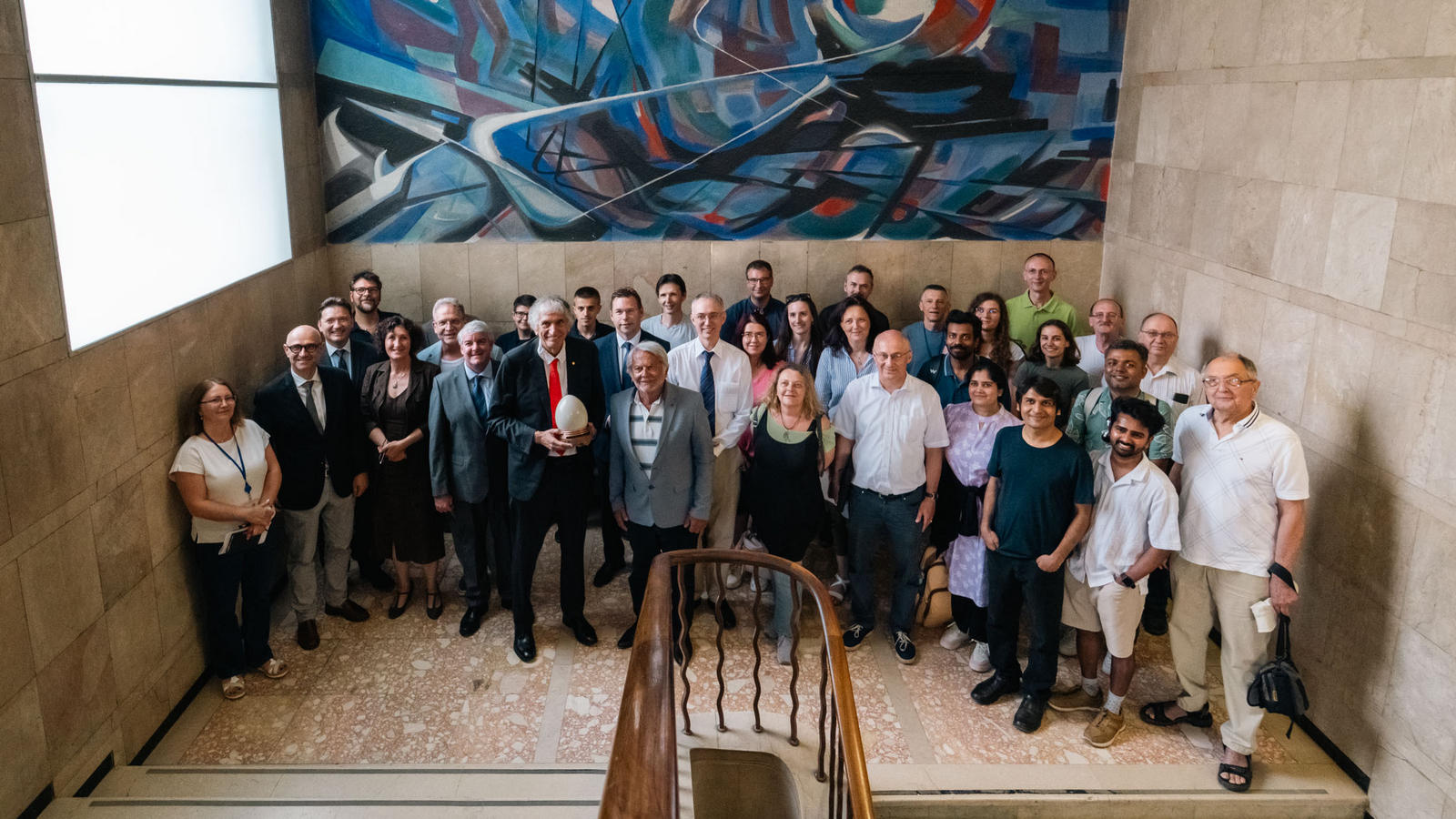
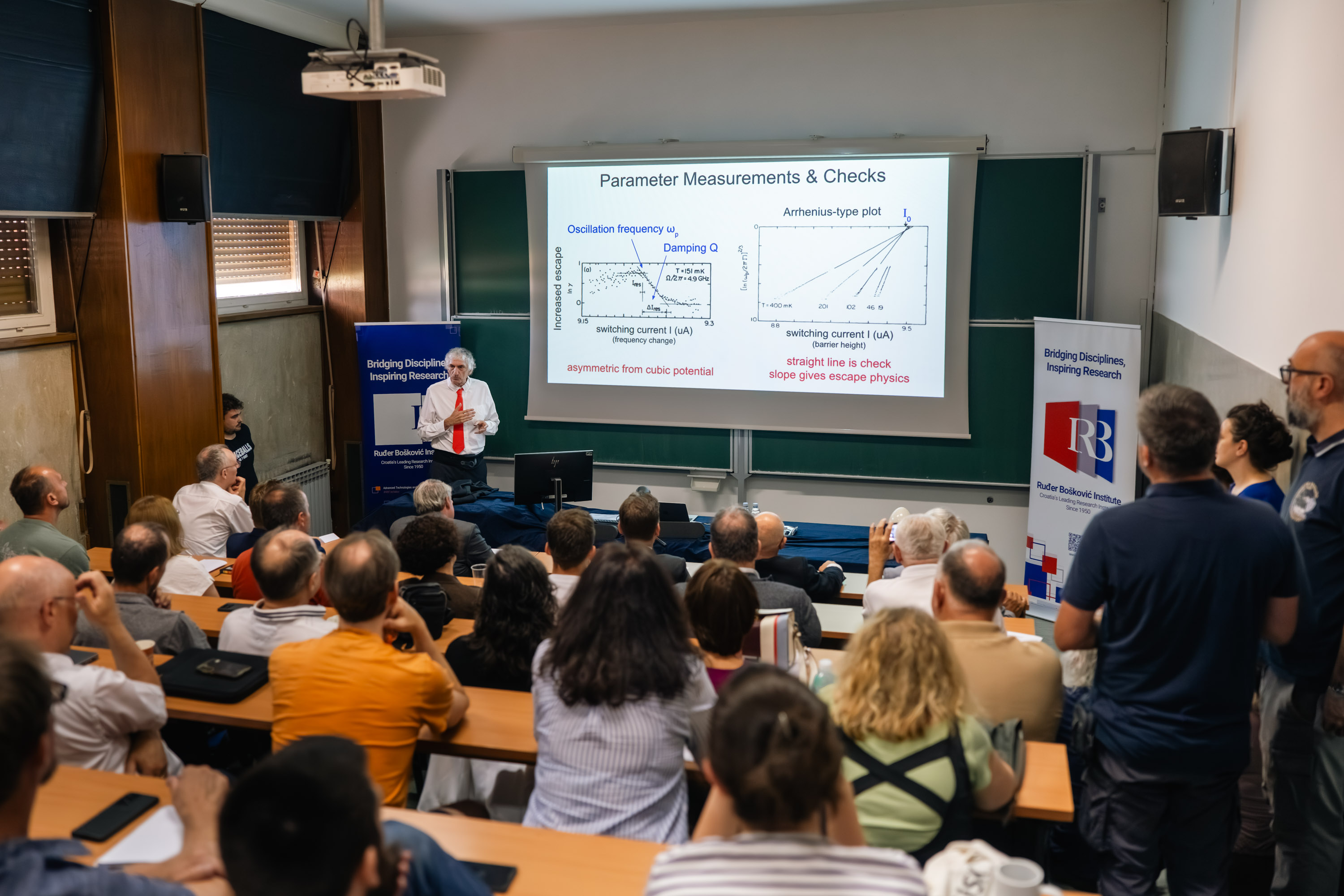
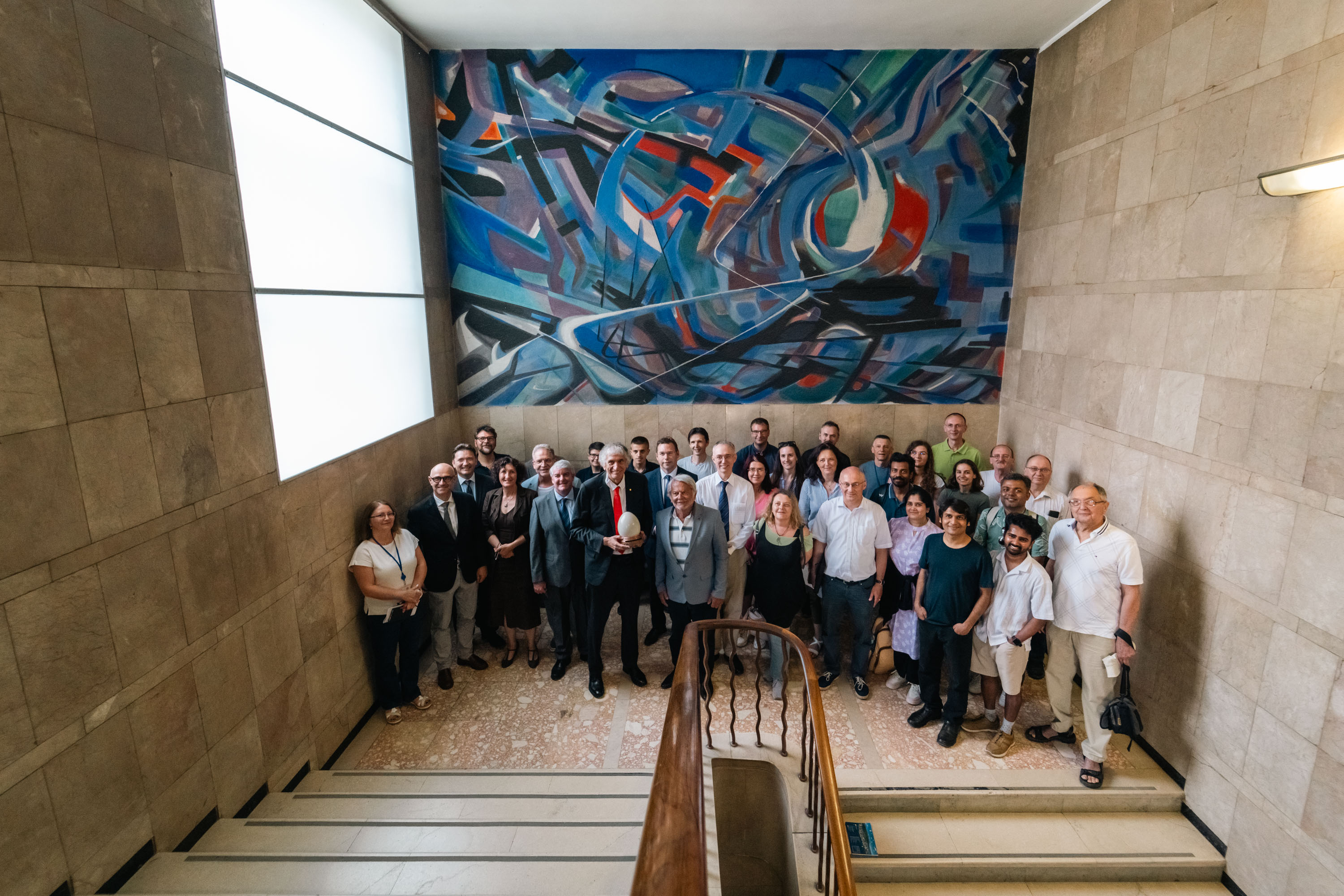
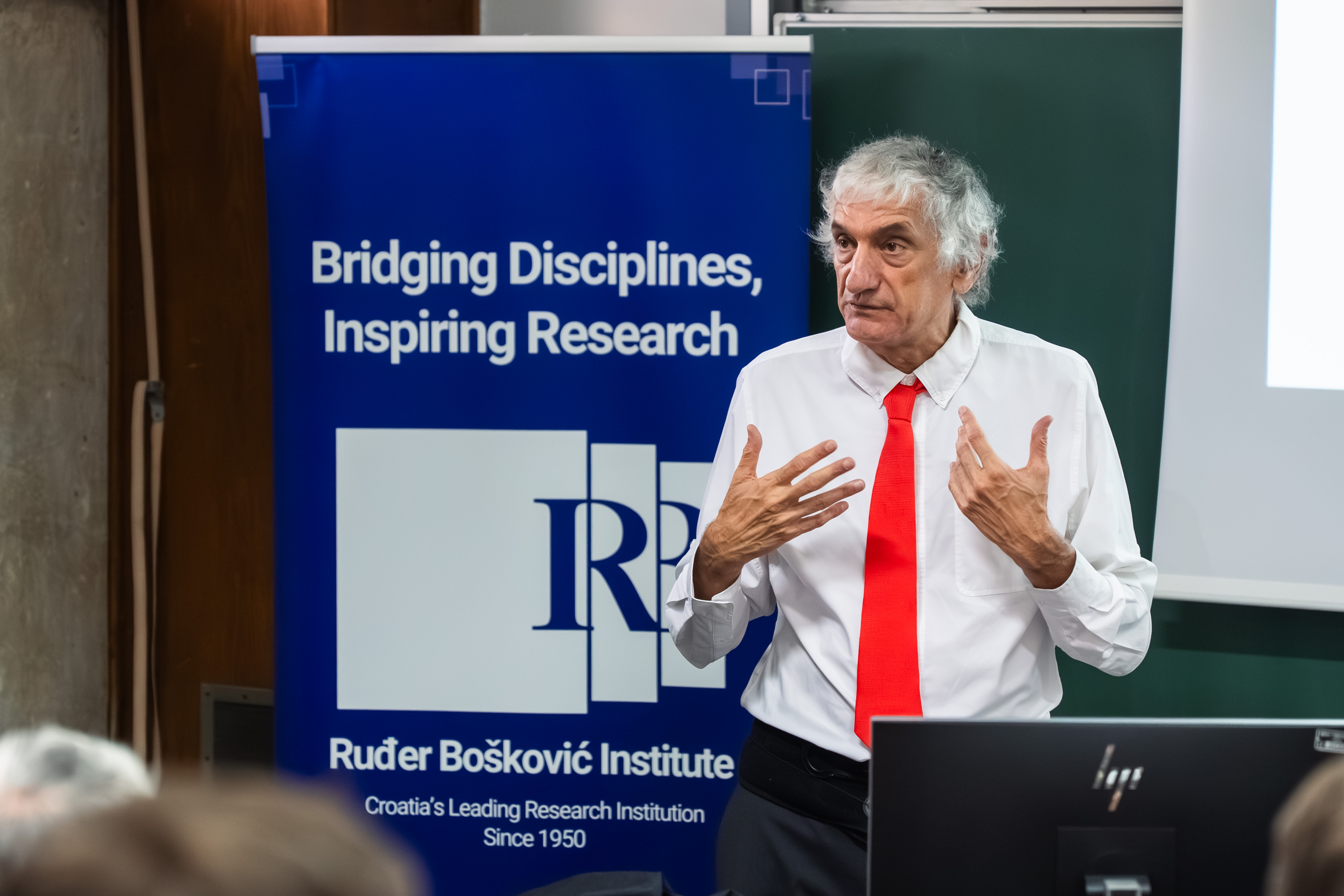
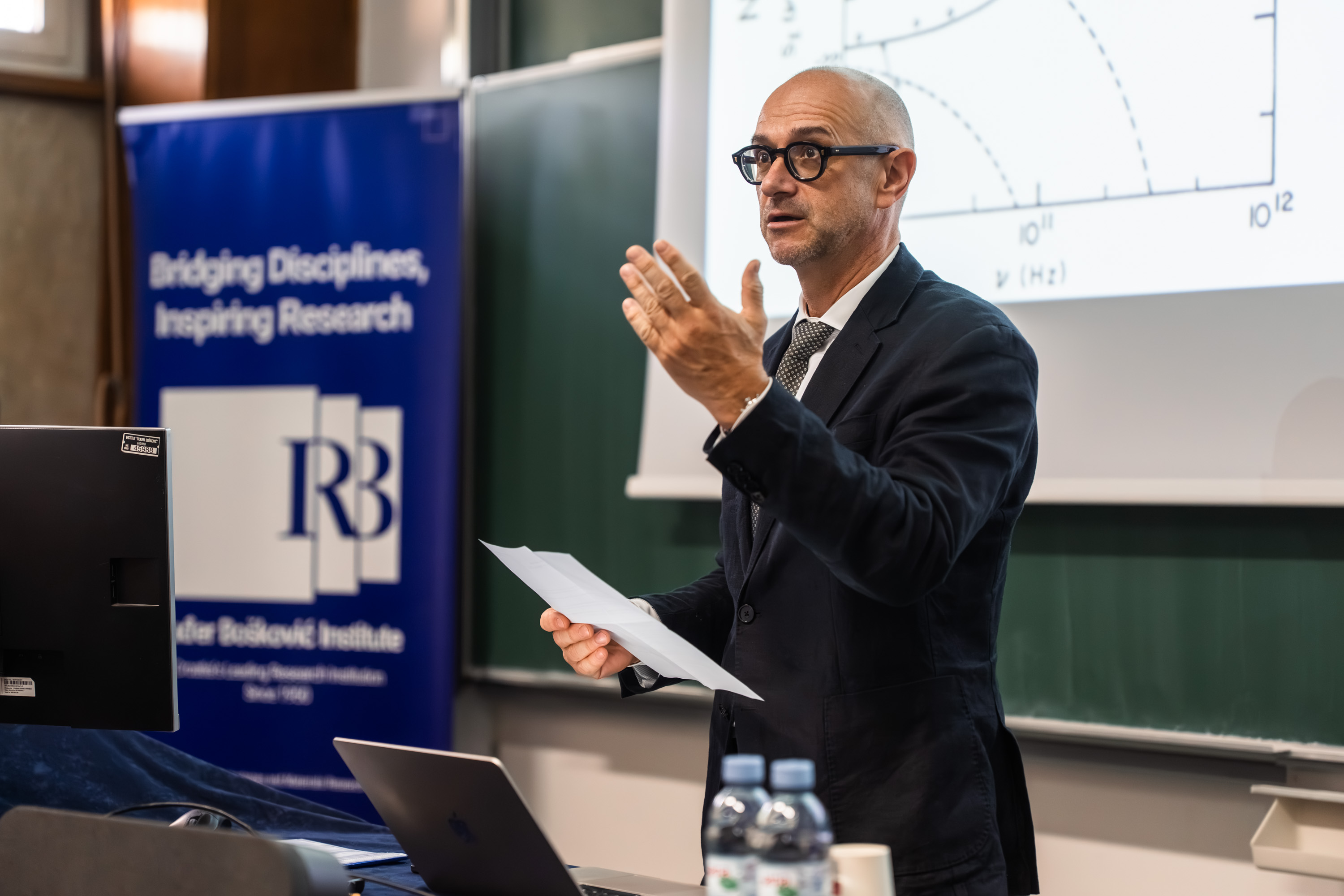
Professor John Martinis, winner of the 2025 Nobel Prize in Physics, one of the world’s most influential scientists in the field of quantum computing and a pioneer of superconducting quantum processors, visited the Ruđer Bošković Institute (RBI) today. During his visit, he met with numerous scientists and delivered a lecture on the development of quantum technologies that could fundamentally transform the future of computing.
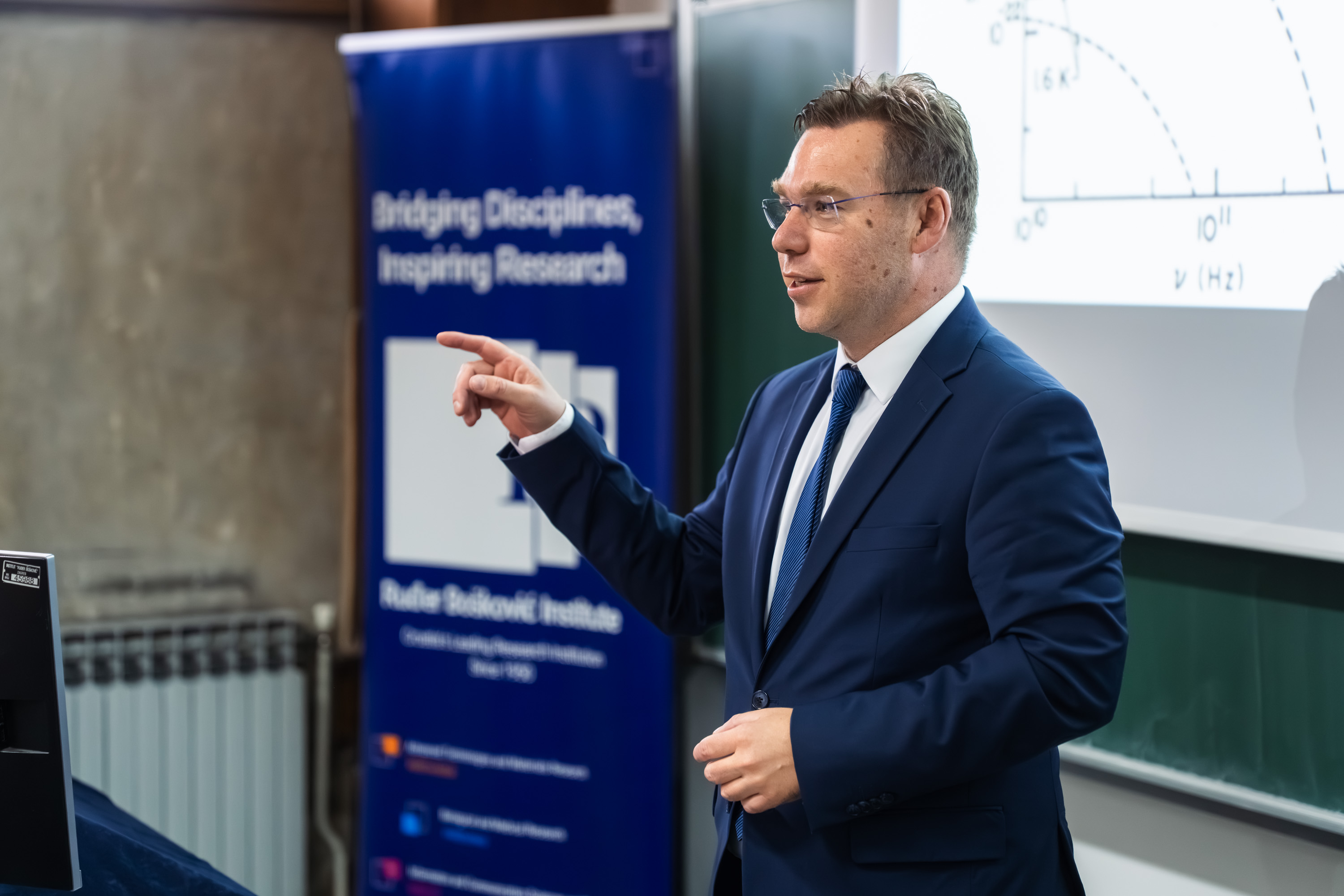
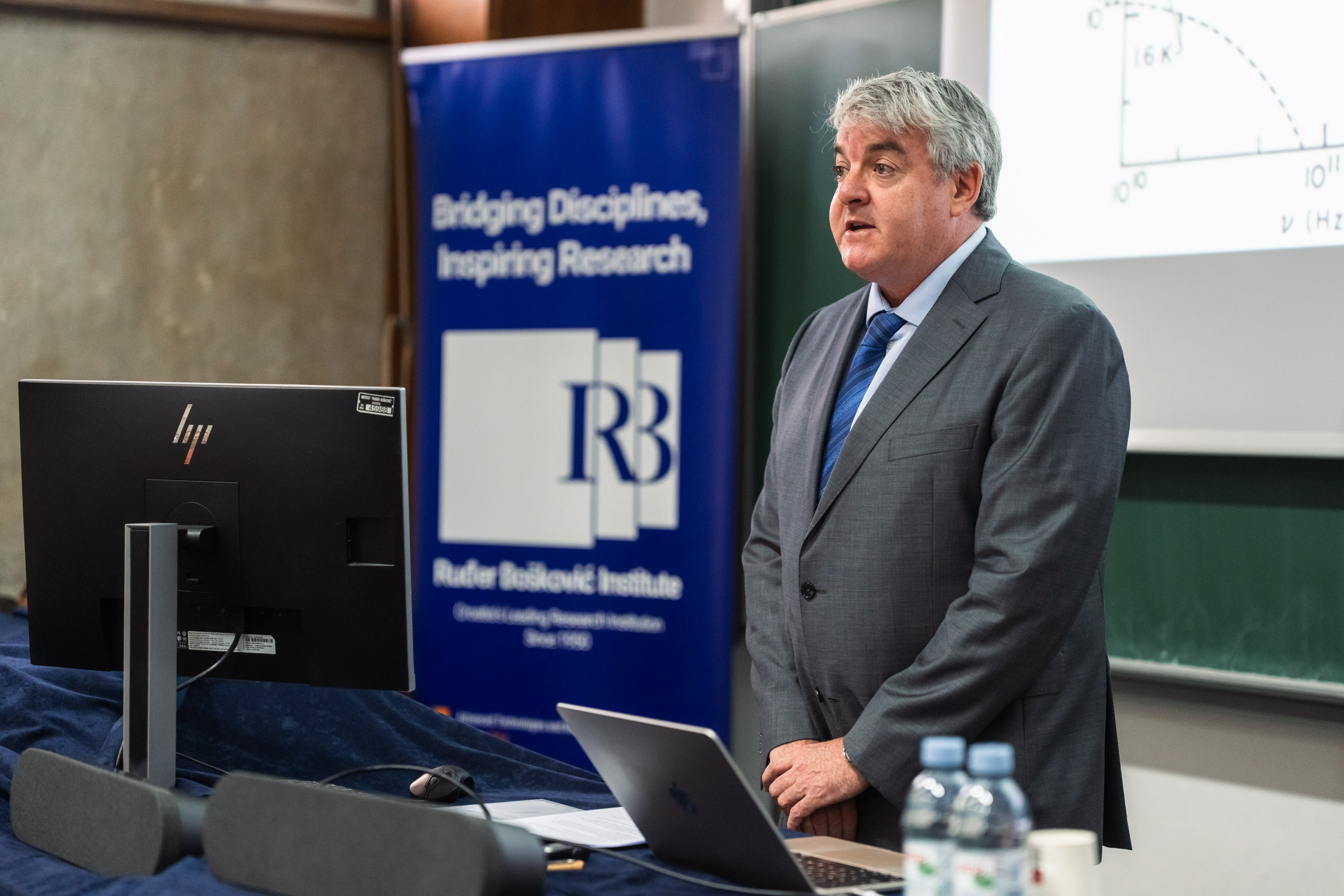
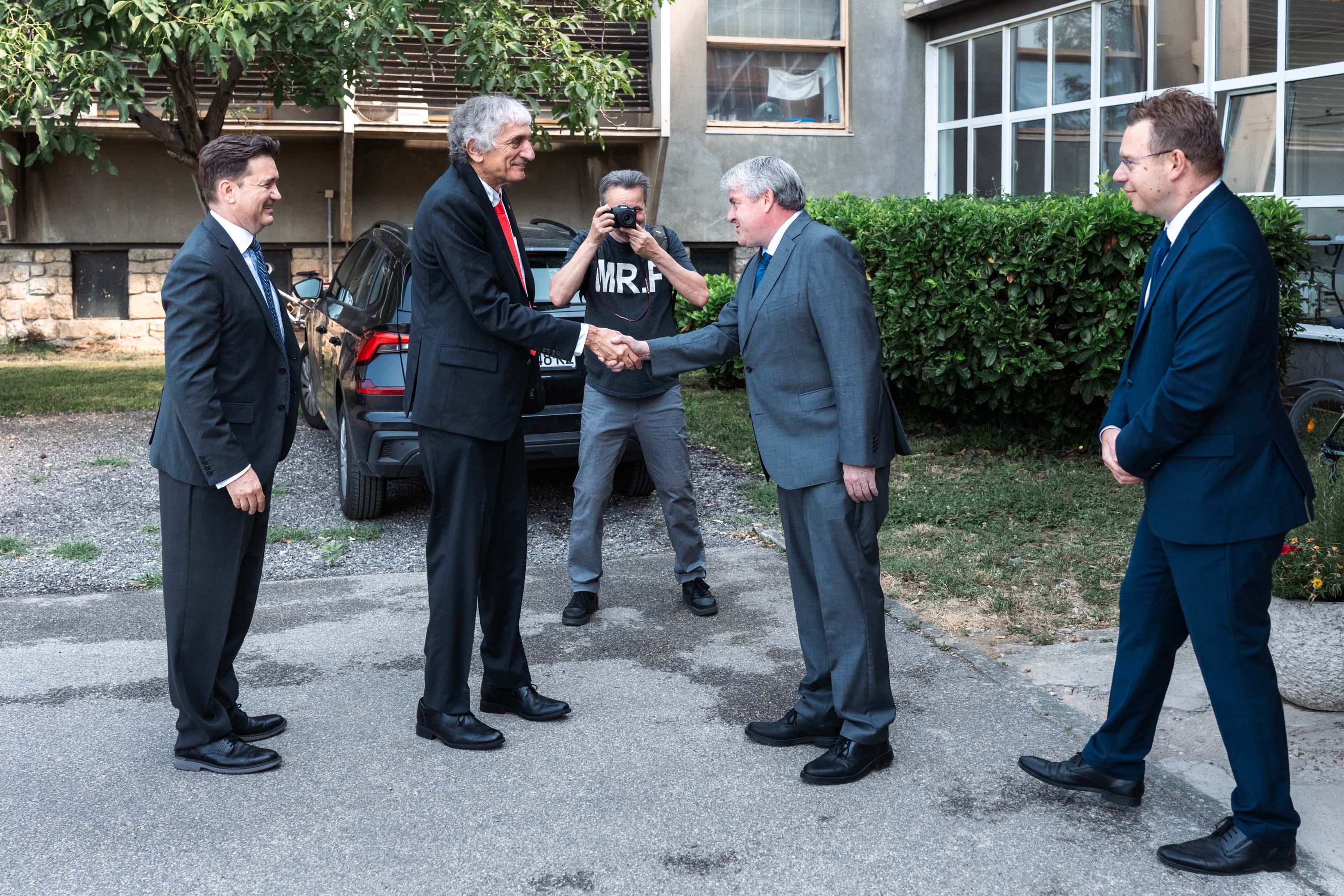
Professor Martinis was welcomed to the Institute by Marko Pavić, MSc, Envoy of the Speaker of the Croatian Parliament, Dr Hrvoje Meštrić, Envoy of the Minister of Science, Education and Youth and Director of the Directorate for Science and Technology, Dr David M. Smith, Director General of RBI, and Dr Mario Stipčević and Dr Kornelija Passek Kumerički, on behalf of the organising team.
Professor Martinis’s visit to Croatia is particularly significant for the Croatian scientific community, as it provides a rare opportunity to meet a scientist whose work has brought quantum computing closer to practical processors and a new generation of computers.
John Martinis, Professor Emeritus at the University of California, Santa Barbara, and cofounder of Qolab, was awarded the Nobel Prize together with John Clarke and Michel Devoret for discoveries that opened the way for the development of superconducting quantum computers.
During his visit to RBI, Professor Martinis emphasised that he does not see his role as a Nobel laureate solely as an opportunity to present his own scientific achievements, but also as a responsibility to encourage students and early career researchers. At the Institute, he therefore spoke about his doctoral research and the experiments for which he received the Nobel Prize.
“My previous talk was kind of a diplomatic kind of talk. But here, I’m going to go into my PhD thesis and my Nobel Prize, and I’m hoping to encourage the students through that. I’m going to try to talk and explain things that I hope will be useful for students so that they can be better scientists. I’m really glad that I’m here and able to do that, because that’s really what I’m trying to do with my Nobel, which is to be a good science diplomat, but also help students become better scientists,” Professor Martinis said.
Croatia Has the Potential to Foster Entrepreneurship and New Ideas
Speaking about Croatia, Professor John M. Martinis noted that his visit also has a strong personal dimension, as both of his parents were of Croatian heritage and his father was born in Komiža. He said that coming to Croatia therefore felt entirely natural, adding that during his stay he had enjoyed Croatian food, the country’s hospitality and his meetings with people and institutions.
“The world is changing, and the jobs that people are doing are changing. I think what’s very important for the future is for the government to encourage people to be entrepreneurial, to try new things. It doesn’t have to be the latest AI or quantum computing or whatever, but the world needs inventiveness. They need solutions, and I hope people can be encouraged to do that. I think one of the reasons the United States has been successful is that this entrepreneurial mindset is deeply embedded in the way people think. Encouraging people to take initiative, develop new ideas and create new opportunities could also greatly benefit Croatia. Its history shows that the potential for innovation and entrepreneurship is certainly here,” said Prof. Martinis.
RBI as a Centre of International Scientific Dialogue
“Professor Martinis’s visit to the Ruđer Bošković Institute is a great honour for us and confirms that RBI is recognised as a centre of international scientific dialogue, open to the most advanced research ideas. This visit goes far beyond its ceremonial significance. It connects the Croatian scientific community with one of the leading scientific minds of our time and gives our researchers, doctoral candidates and students a rare opportunity to meet a scientist whose work has pushed the boundaries of what is possible,” said Dr David M. Smith, Director General of the Ruđer Bošković Institute.

From Fundamental Physics to Quantum Processors
Professor John M. Martinis is the winner of the 2025 Nobel Prize in Physics and Professor Emeritus at the University of California, Santa Barbara. He is one of the pioneers of superconducting quantum computing, and his scientific work encompasses fundamental research into macroscopic quantum phenomena, the development of superconducting qubits and the construction of advanced quantum processors.
From 2014 to 2020, he worked at Google Quantum AI, where he led the hardware team that developed Sycamore, a superconducting processor with 53 operational qubits, and conducted one of the best known experiments in the history of quantum computing.
Today, he is cofounder and Chief Technology Officer of Qolab, a startup focused on developing scalable superconducting quantum hardware and applying advanced semiconductor manufacturing methods to the construction of a new generation of quantum computers.
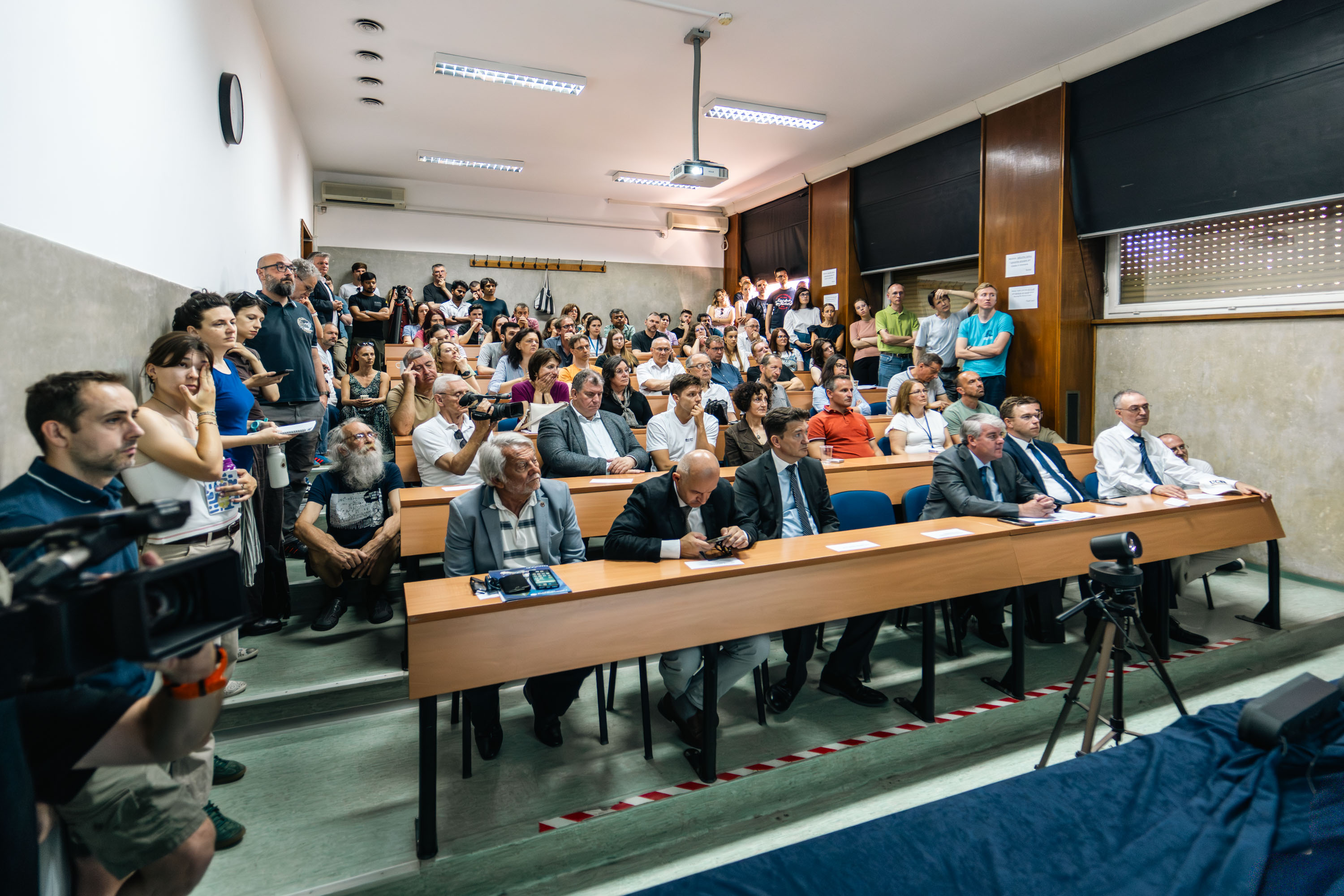
During the lecture, Professor Martinis discussed experiments from his doctoral research which, as he explained, together with the contributions of many others, “helped launch the field of quantum computing.” He traced the beginning of his scientific career to John Clarke’s research group, which he joined in 1980. It was there, he said, that he brought together “a curiosity about quantum mechanics and a love of electronics.”
These experiments demonstrated that phenomena such as quantum tunnelling and energy quantisation could also be observed in superconducting electrical circuits, meaning in the collective behaviour of a very large number of particles. The results laid important foundations for the development of superconducting qubits, the basic units of quantum information.
Professor Martinis emphasised that quantum computers should not be viewed simply as more powerful supercomputers. Classical computers process information using bits, while quantum computers use qubits and phenomena such as superposition, quantum entanglement and interference. Their advantage is not expected to apply to every type of task, but rather to specific problems that would require classical computers an impractically long time or vast computational resources to solve.
As an example, Martinis referred to Google’s experiment with a quantum processor. The processor had to operate at temperatures very close to absolute zero, while the cryogenic system and supporting equipment required several tens of kilowatts of electrical power. A comparable classical simulation performed on a large supercomputing system would have required power on the order of megawatts.
Speaking about the broader, practical application of quantum computers, Martinis estimated that a system with approximately one million qubits would be needed to run general-purpose quantum algorithms. According to him, such a quantum computer could consume roughly as much power as a classical supercomputer, while making it possible to solve problems that classical computers cannot address within a practically acceptable timeframe.
Prof. Martinis said he was confident that humanity could build a practical quantum computer, although many technological challenges still need to be overcome.
Tesla’s Beacon of Knowledge Award Presented to Professor Martinis
The visit to the Institute forms part of Professor Martinis’s official visit to Croatia, during which he will deliver a series of lectures and meet with members of the scientific and academic communities in Zagreb and Split. He will also take part in official and cultural programmes in Komiža and Dubrovnik.
At the conclusion of the programme, Professor John M. Martinis received the MIPRO Annual ICT Award, “Tesla’s Beacon of Knowledge”, in recognition of his pioneering contribution to quantum computing. The award was presented by Professor Karolj Skala, Chair of the Award Committee.
“Professor Martinis’s visit to RBI continues the Institute’s long tradition of hosting leading international scientists and Nobel laureates, including Niels Bohr, Christian de Duve, Jean Marie Lehn and Dan Shechtman. Encounters such as these confirm the Institute’s role as a centre of international scientific dialogue, the exchange of ideas and the development of new generations of researchers,” concluded Dr David M. Smith.