

IRB develops a new generation of protective textiles with flame-retardant, antimicrobial, and UV-protective coatings
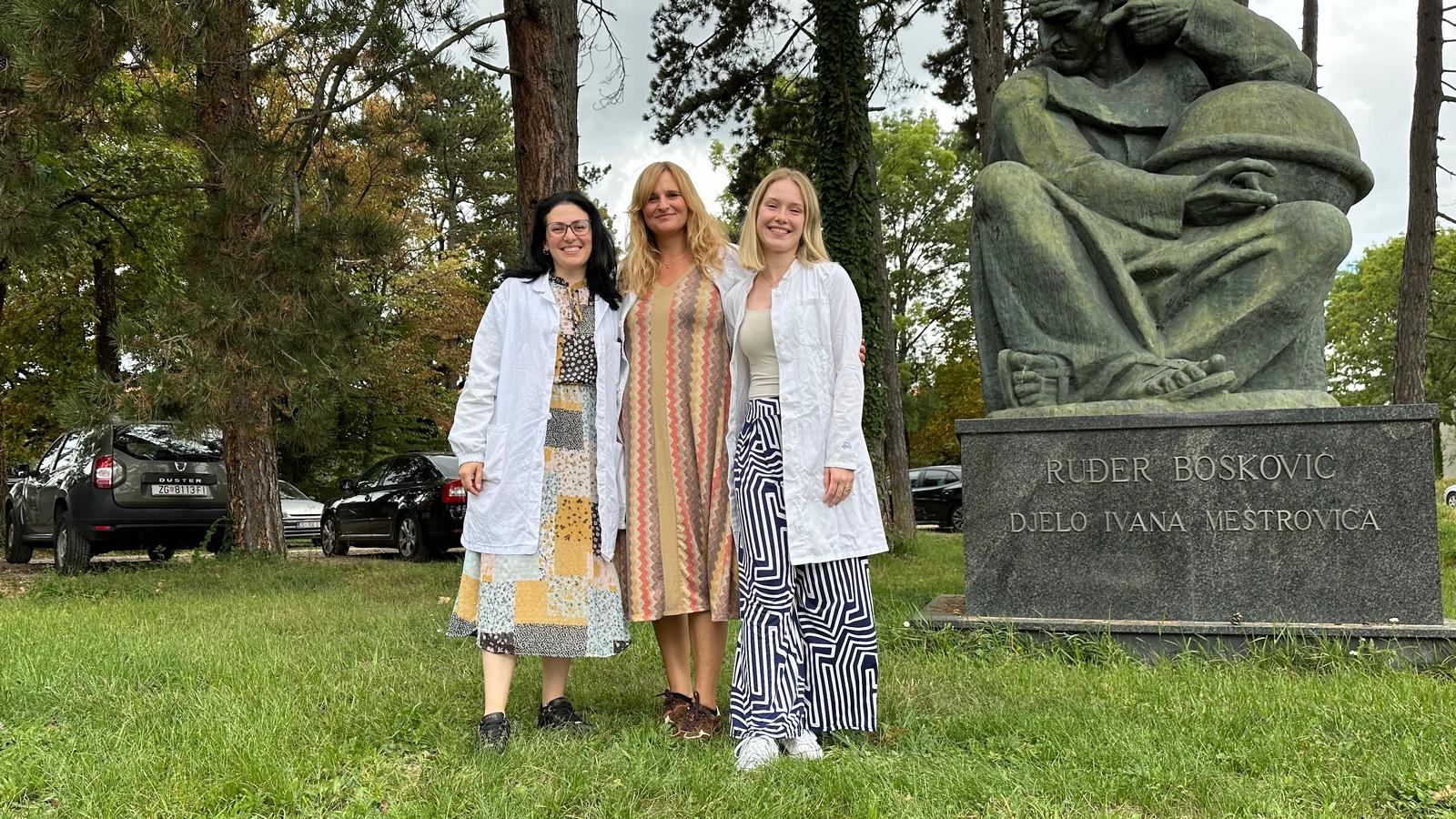
A multidisciplinary team of researchers led by female scientists from the Ruđer Bošković Institute (RBI), within the SAFEGUARD project, is developing a new generation of protective textiles with innovative coatings that simultaneously provide flame resistance, antimicrobial protection against bacteria and fungi, and enhanced UV protection. The ultimate goal of this project, funded through NATO’s Science for Peace and Security Programme (Science for Peace and Security, SPS), is to develop functional materials that are safe for users in the defence system, emergency services, and healthcare, while also being applicable in civilian clothing and outdoor equipment.
The SAFEGUARD project, fully titled Secure, Antibacterial, Flame-retardant, Enhanced Guard Apparel for Resilient Defense, is worth EUR 309,700, with the RBI receiving the largest share of the budget at 45 percent. The project brings together a multidisciplinary team from Croatia, Austria, and Switzerland, and is led by Dr Nives Matijaković Mlinarić, a researcher at the Laboratory for Deposition Processes at the RBI.
Why is a new generation of protective textiles needed?
In practice, the weaknesses of many of today’s protective textiles are most often revealed only in the field, after hours of wear, prolonged exposure to extreme conditions such as fire, UV radiation, and moisture, and repeated washing.
In some situations, flame resistance is not high enough, and UV protection can be too weak during long outdoor shifts. At the same time, damp, stressed fabric can become a favourable environment for the growth of microorganisms, including fungi, raising concerns about user hygiene and safety.
An additional problem is the durability of protection. Over time, protective layers can wash out or lose effectiveness, so the level of protection decreases precisely because of frequent use. In addition, some of the chemicals used in protective treatments may pose unwanted risks to human health and the environment, which is one of the most important criteria that must be met when developing new solutions.
Four key objectives of the SAFEGUARD project
“In our research we combine interdisciplinary approaches from materials chemistry, microbiology, and biomedicine to address today’s complex security challenges. Three scientists at the RBI will work on this project, and we are also involving students whom we support with scholarships throughout the project,” emphasizes Dr Nives Matijaković Mlinarić, the project leader, adding that they are focused on four objectives, “Reducing the risk of burns by developing flame-retardant materials, increasing UV protection to prevent damage to skin and materials, introducing antimicrobial properties that limit microbial growth and improve hygiene conditions, and ensuring the safety and durability of materials through non-toxic, environmentally friendly coatings.”
International collaboration
At the RBI, the research team is developing and refining the protective layer applied to the fabric. In Switzerland, the Federal Laboratories for Materials Science and Technology assess how effectively such fabric prevents the growth of bacteria and fungi, while in Austria, at the Institute of Pharmaceutical Sciences of the University of Graz, scientists examine the safety of the material in contact with skin.
NATO’s Science for Peace and Security (SPS) Programme supports international research projects that use civil science to develop solutions relevant to contemporary security challenges, and strengthen cooperation and knowledge exchange among partner institutions. Within this programme, since 2024 the RBI has contracted 9 projects with a total value of around EUR 1.3 million, covering areas from chemical and environmental security to biosecurity, and border and port security. All research is conducted exclusively for peaceful, preventive, and protective purposes, in compliance with regulations and ethical standards.
