

Zagreb hosts Europe’s fusion elite, tackling a key bottleneck in today’s most ambitious energy endeavour
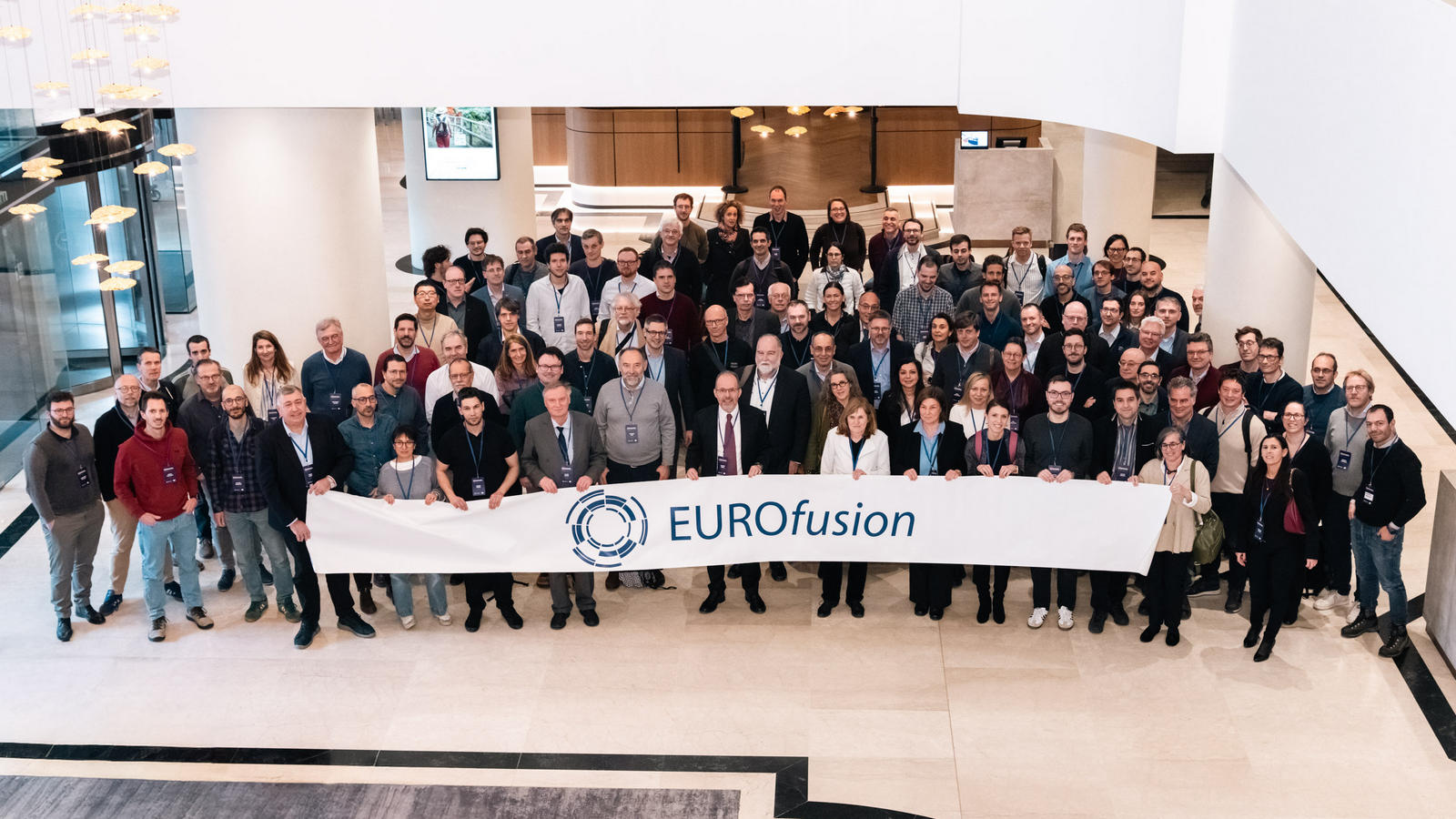
This week, Zagreb is at the centre of the European debate on one of fusion energy’s most demanding challenges, how to efficiently manage heat and particle exhaust in future fusion power plants. A number of Europe’s leading fusion experts, scientists and engineers have come to Zagreb for the European Fusion Programme Workshop (EFPW), a prestigious scientific meeting of Europe’s fusion energy research and development programme, co-organised by the Ruđer Bošković Institute (IRB) and the EUROfusion consortium.
The event was opened by Dr Radovan Fuchs, Minister of Science, Education and Youth of the Republic of Croatia, who emphasised that, through the strong engagement of Croatian scientists, Croatia is firmly embedded in the European fusion research ecosystem and committed to its long-term goals. He underlined that Croatia’s participation in the fusion programme is an investment in knowledge, innovation, and the next generation of scientists and engineers. “For Croatia, participation in European fusion programmes is an important way to strengthen our research capacities and to contribute responsibly to Europe’s shared energy future,” Minister Fuchs concluded.
“No single device, no single country can solve this problem alone. Europe’s strength lies in bringing together different machines, expertise and perspectives, and approaching this challenge through rigorous science, not quick promises. This workshop is about building solutions grounded in facts, evidence and collaboration,” said Dr Elisabeth Wolfrum, Chair of EUROfusion’s Scientific and Technical Advisory Board, from the Max Planck Institute for Plasma Physics in Germany.
Sun power on Earth, without “scorched” walls
For fusion power plants to one day deliver electricity to the grid, a whole suite of technologies must first be validated, from whether a searing fusion plasma can be stably controlled, to whether the most exposed components of the plant can withstand years of operation, not just short experimental tests.
A DEMO power plant will only be possible if a stable fusion reaction, a so-called burning plasma, is achieved first, literally a piece of the Sun on Earth, in the International Thermonuclear Experimental Reactor, ITER, in France, which is being built jointly by the EU, the United States, China, Japan, Korea, India and Russia. Croatian companies are also contributing to ITER’s construction. A second prerequisite is the development of materials capable of withstanding extreme heat and intense neutron radiation, the goal of the IFMIF-DONES project, launched jointly by Spain and Croatia.
At the same time, the European consortium EUROfusion has initiated the design of the DEMO fusion power plant without waiting for the outcomes of both projects, meaning DEMO development is progressing in parallel with ITER and DONES, in a mutually complementary way.
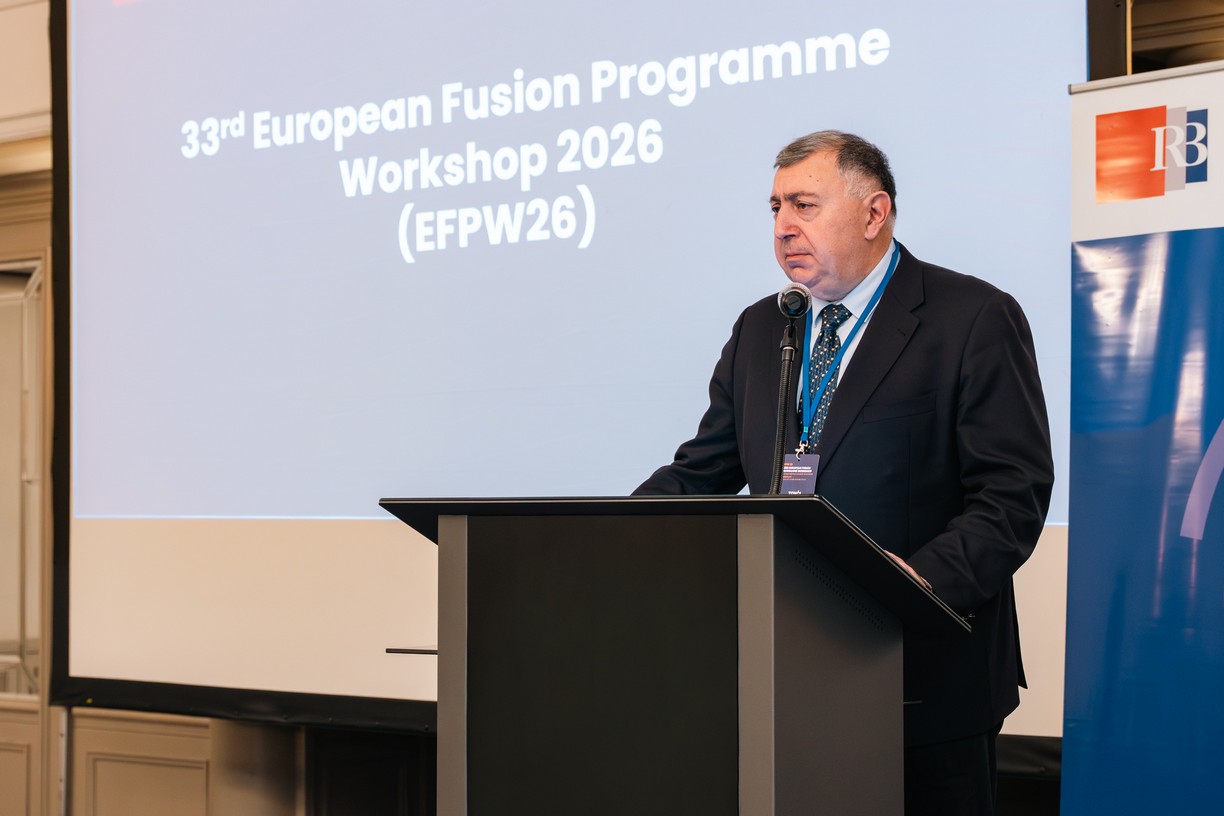
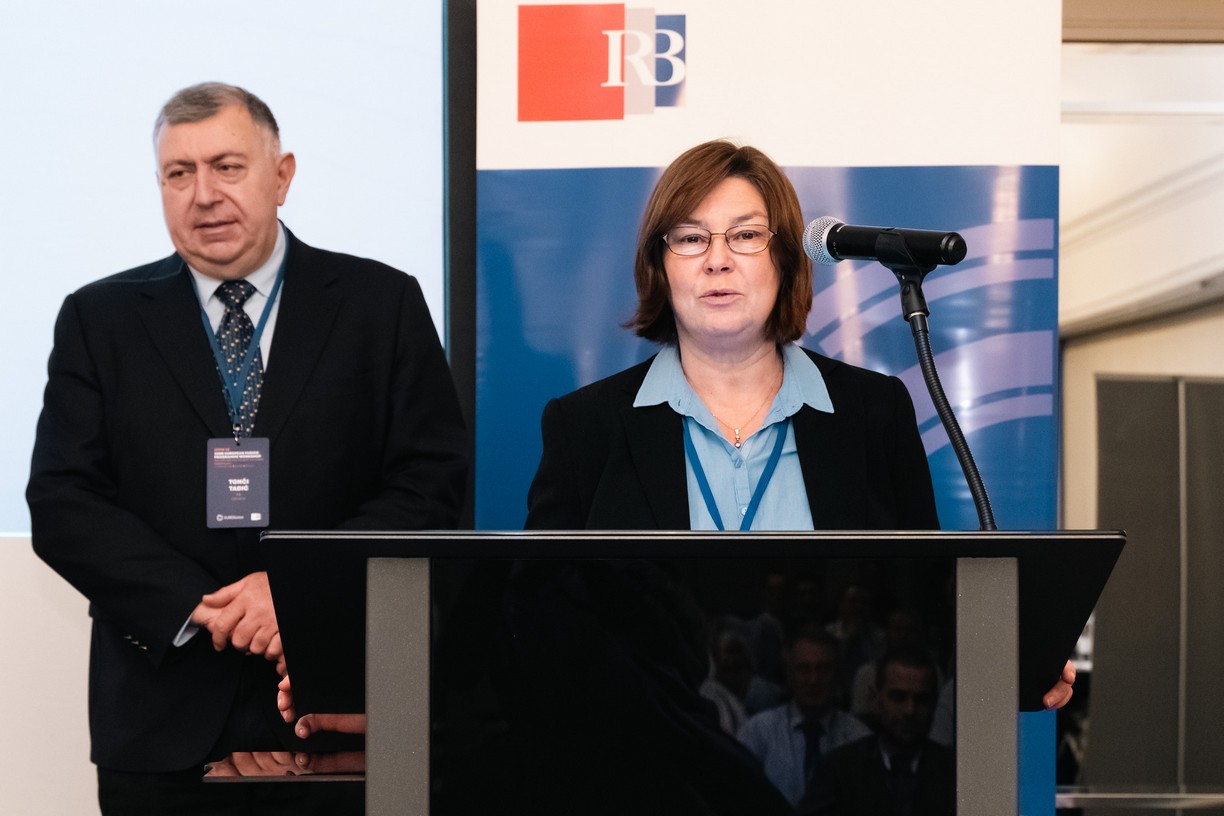
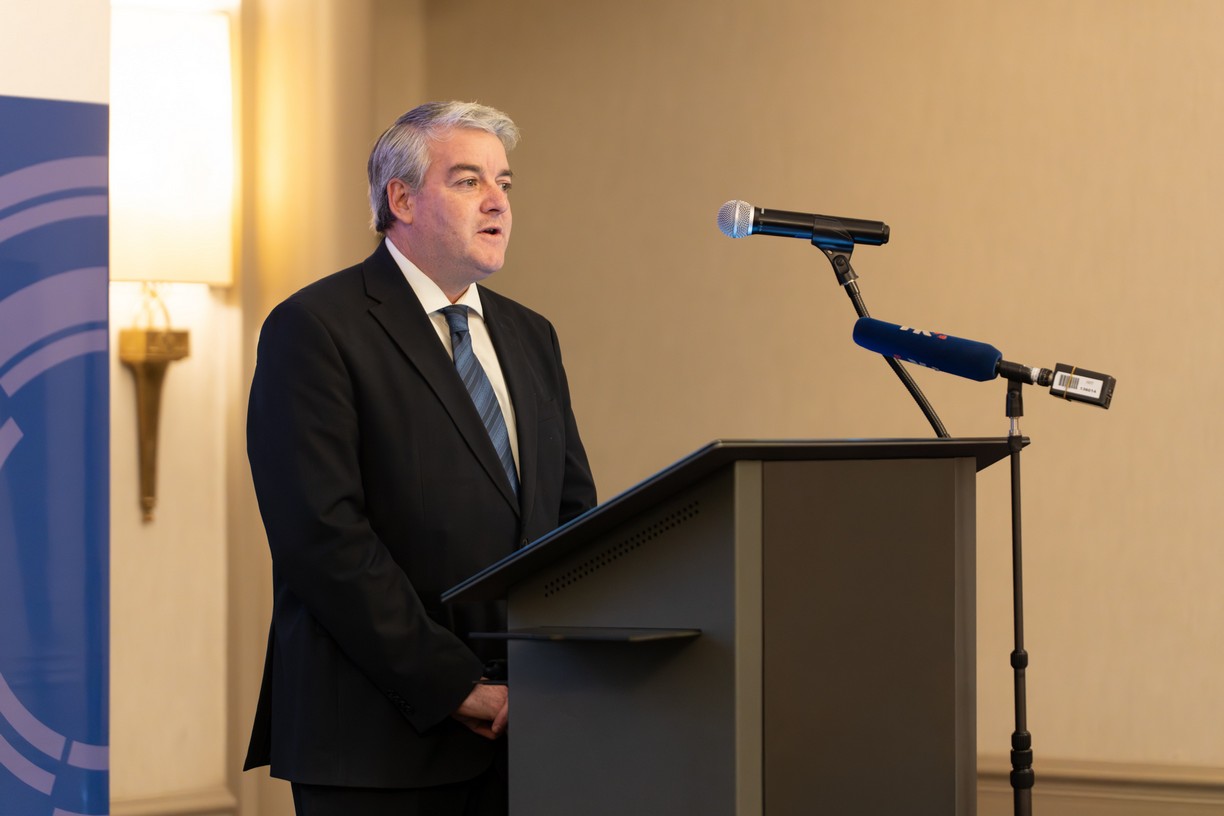
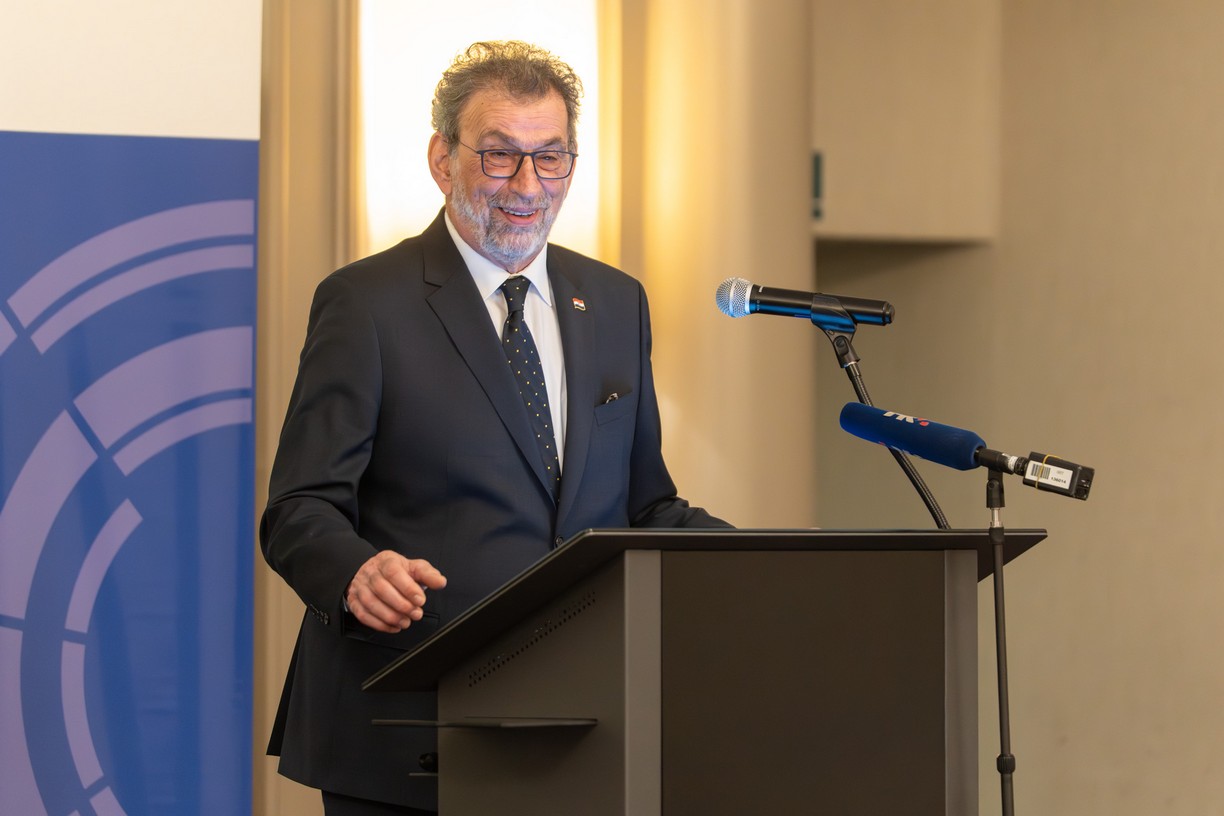
“One of the key aspects of the DEMO fusion power plant design is the exhaust of heat and particles, and that is exactly what we are addressing at this workshop. Beyond the extraordinarily high temperatures the wall materials inside a fusion reactor will face, as if they were on the surface of the Sun, a particular challenge is the design of the lower part of the reactor, the so-called divertor, where the very hot fusion plasma deposits dust and impurities accumulated in the reactor. The heat loads expected in that region are comparable to, or even higher than, those on the heat shield of a spacecraft re-entering Earth’s atmosphere,” explained Dr Tonči Tadić, Head of Croatia’s fusion activities and Coordinator of the DONES.HR project team at IRB.
This, however, is not a one-off, isolated event, it is a continuous operating condition inside a fusion reactor, which must withstand extreme loads not for a few minutes, but continuously. That is why “heat and particle exhaust” is not a secondary technical topic, it is one of the essential requirements for fusion to become a dependable technology rather than a promise. Without a solution for the controlled handling of this energy and these particles, there can be no safe, long-term operation of a future fusion power plant.
“At this year’s EFPW, we focused on what is decisive for a fusion power plant. We discussed control scenarios for hot fusion plasma and examined a range of divertor designs so that the impact of the hot plasma on the divertor remains within today’s technological limits for material resilience under extreme thermal loads,” said Dr Tonči Tadić, adding that the workshop also addressed how to improve modelling of potential wall damage and the accumulation of fusion dust across different operating regimes of a fusion reactor.
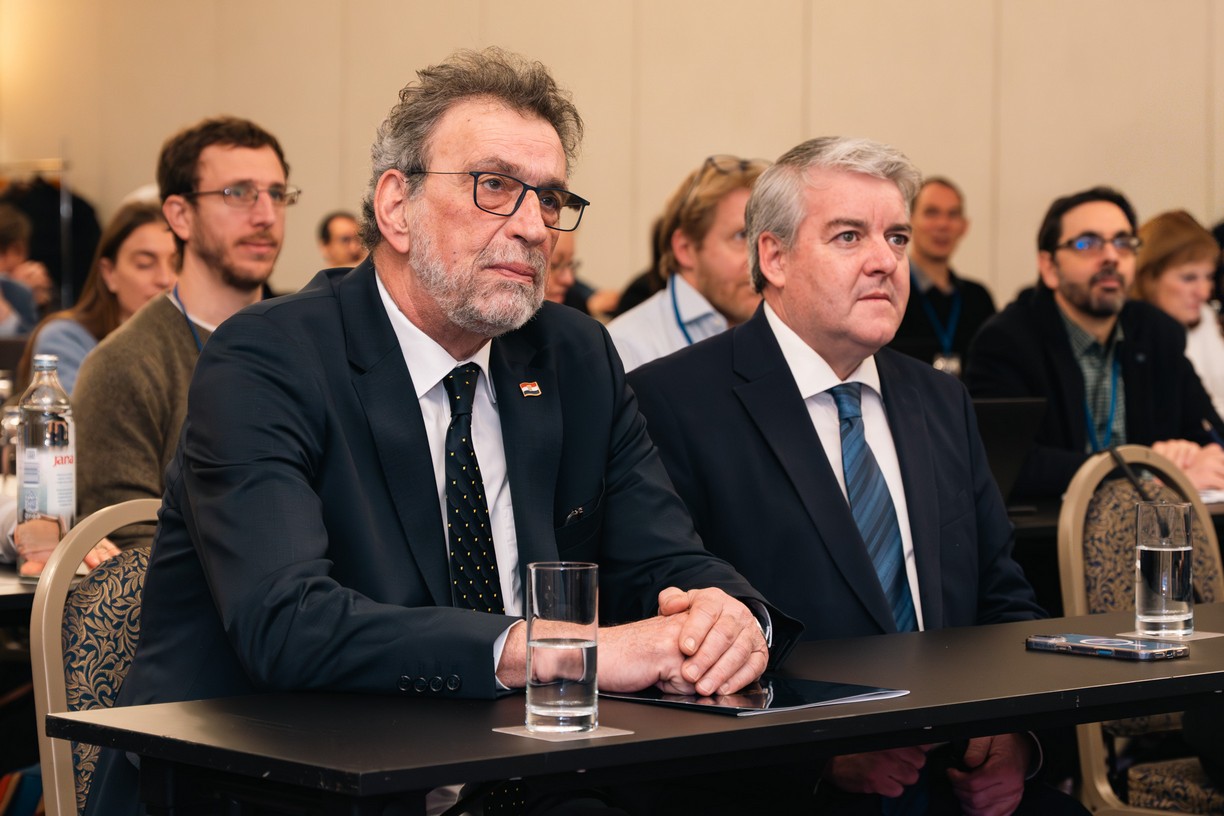
Gianfranco Federici, EUROfusion Programme Director, stressed that progress in this field will depend on sustained collaboration, shared infrastructure and a long-term, evidence-based approach. He noted that the workshop provides a strong platform where that collaboration takes concrete form and where the next steps on the path to fusion energy are planned jointly.
Croatia in the spotlight, from materials to plasma “forensics”
Dr Tonči Tadić also recalled that Croatia plays an important role in fusion research at the European and global level, thanks to a team of Croatian institutions coordinated by IRB, covering several key pieces of the fusion puzzle, from materials development to diagnostics.
“Alongside IRB, work on developing and validating materials that must withstand extreme conditions is being carried out by teams from the Faculty of Mechanical Engineering and Naval Architecture, University of Zagreb, the University of Slavonski Brod, and the Faculty of Metallurgy in Sisak. At the same time, modelling and measurements of plasma exhaust, meaning what carries excess heat and particles towards the most exposed parts of the equipment, involve teams from the Faculty of Electrical Engineering, Mechanical Engineering and Naval Architecture, University of Split, and the Institute of Physics. IRB’s role is particularly important in analysing plasma-exposed surfaces and in analysing so-called fusion dust generated by material erosion. These studies are crucial for safety and for the maintenance of future plants,” Dr Tonči Tadić emphasised.
“We are proud that IRB coordinates Croatia’s participation in European fusion activities and that, together with Spain, we are leading the IFMIF-DONES project. These are major opportunities for both science and the economy, from companies developing cranes and heavy equipment to those working on advanced materials and high technology. This is why IRB is strategically investing in domestic infrastructure. Last month, as part of the O-ZIP infrastructure project, we delivered a new accelerator and upgraded the system to provide our scientists with an even stronger platform for research and international collaboration,” said Dr David Matthew Smith, Director General of the Ruđer Bošković Institute.
The European Fusion Programme Workshop, EFPW, is the most important annual scientific meeting of Europe’s fusion energy research and development programme, implemented by the EUROfusion consortium, of which IRB is a co-founder. Croatia is hosting this prestigious event for the third time, the previous workshops were held in Split in 2014 and in Dubrovnik in 2017.