
In many families, heritage is passed down without great ceremony, but with a clear sense of responsibility. Old photographs, letters, documents, and books remain in the home as witnesses to family history and as objects that should be preserved for those who come after. Among them, old books hold a special place because they contain valuable texts, traces of use, and memories of the generations who held them in their hands.
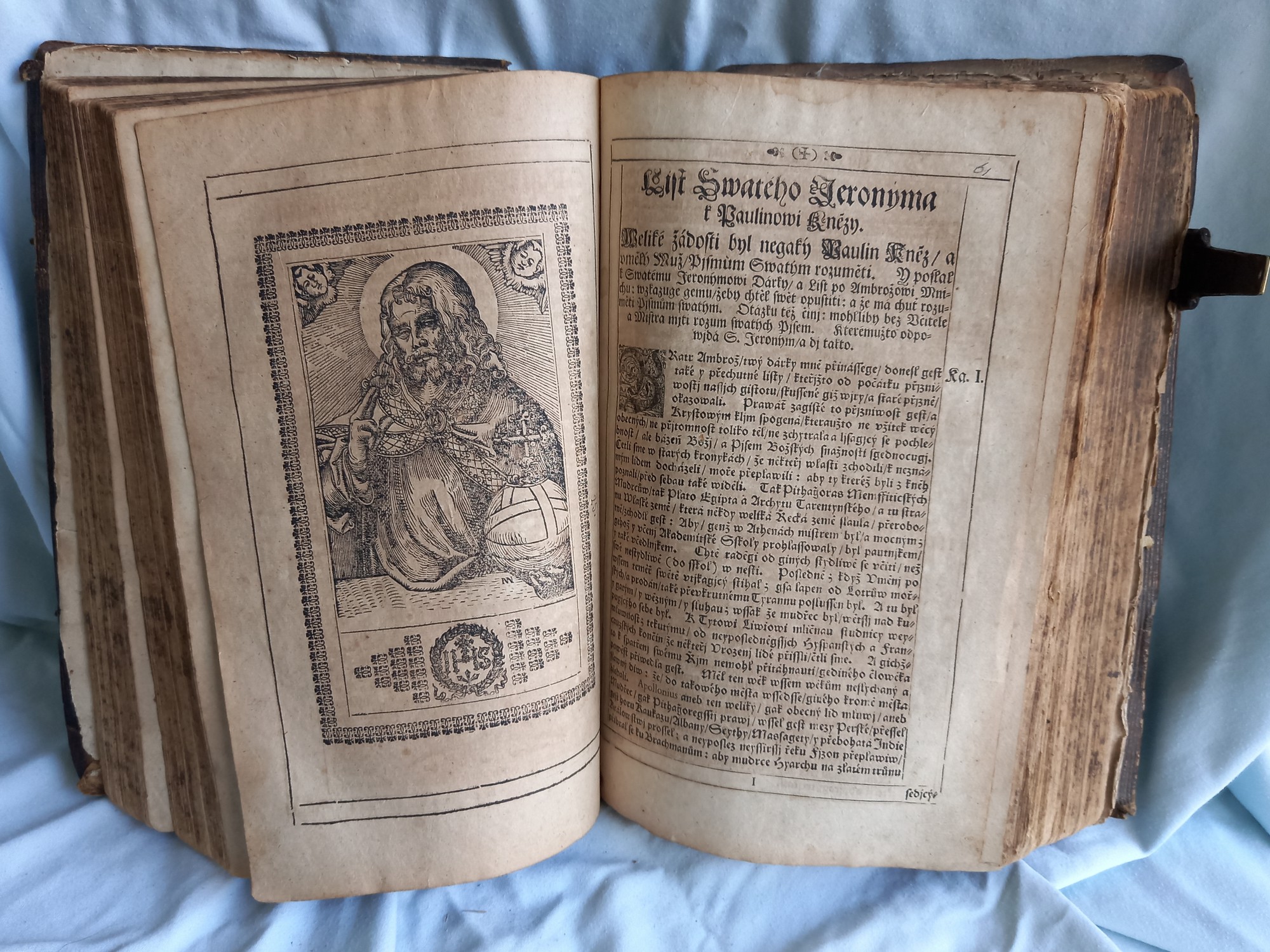
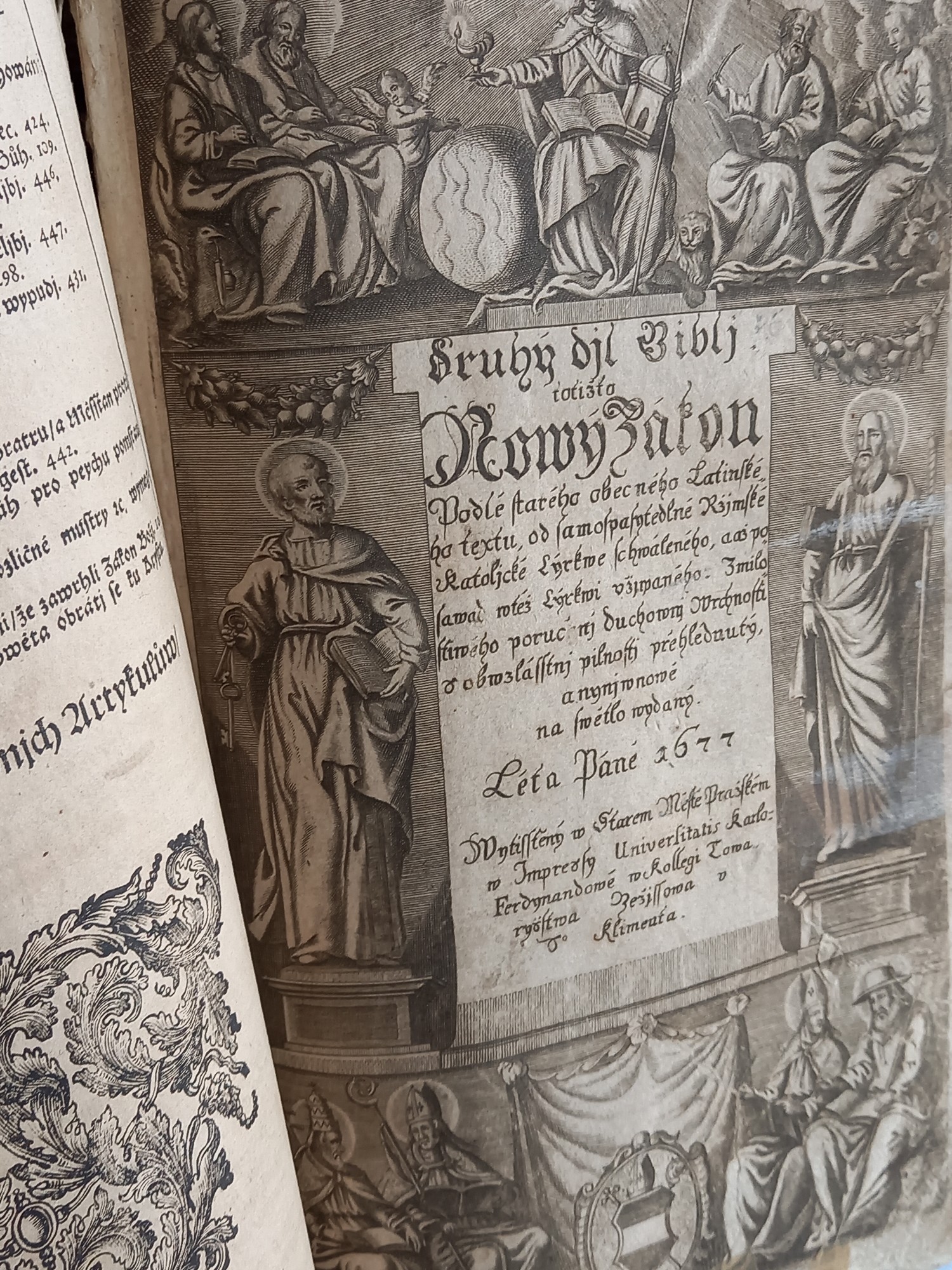
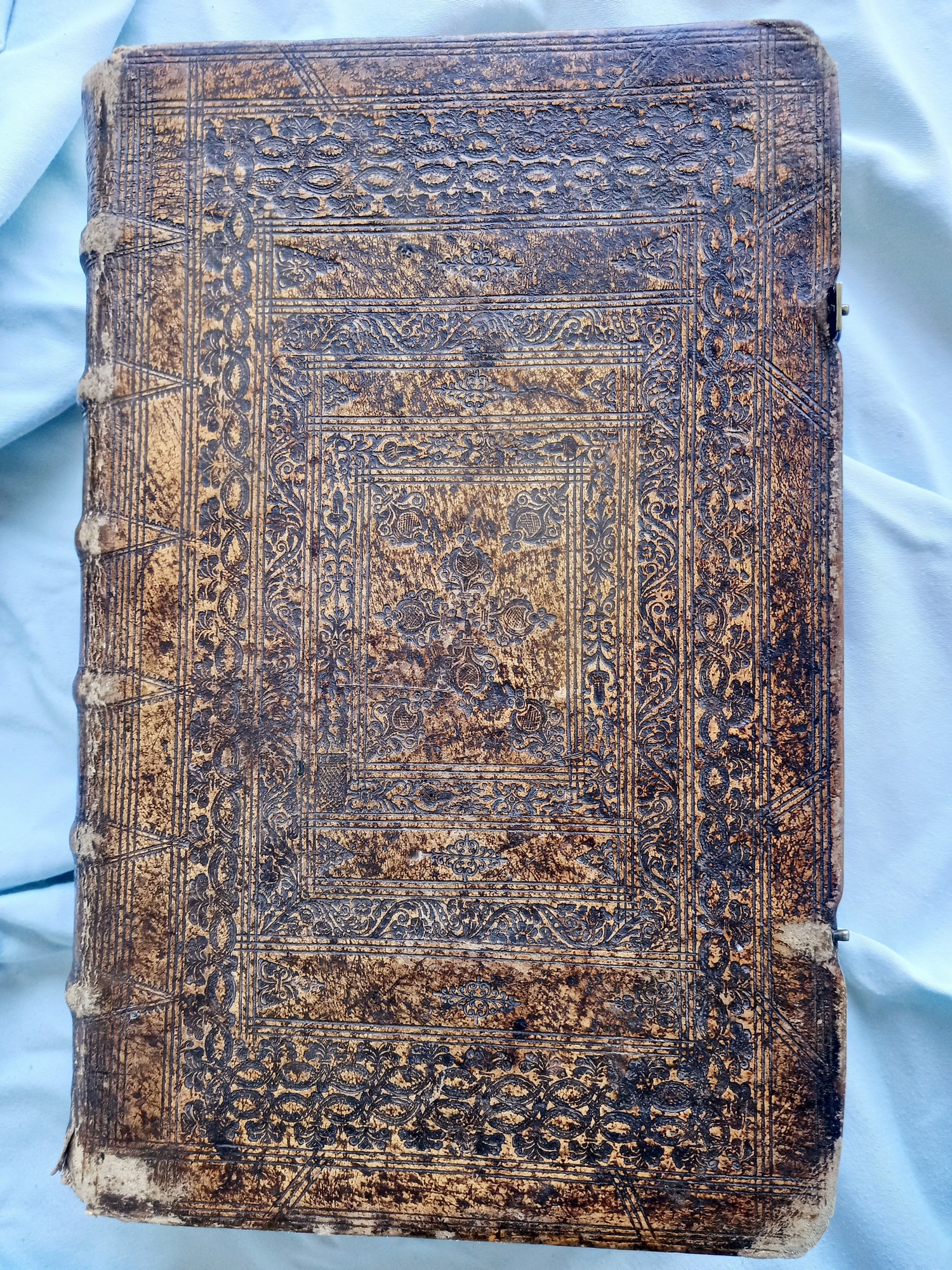
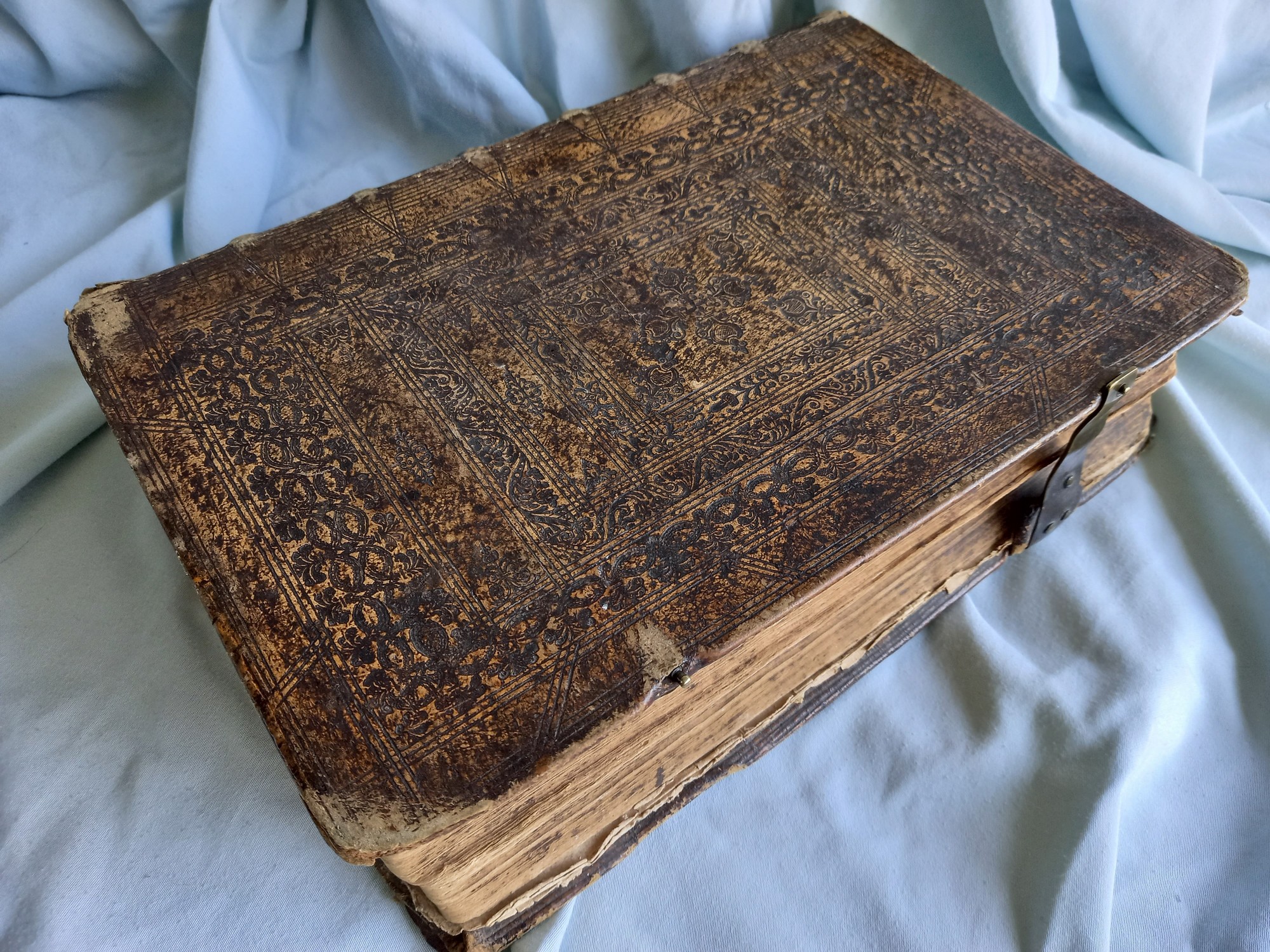
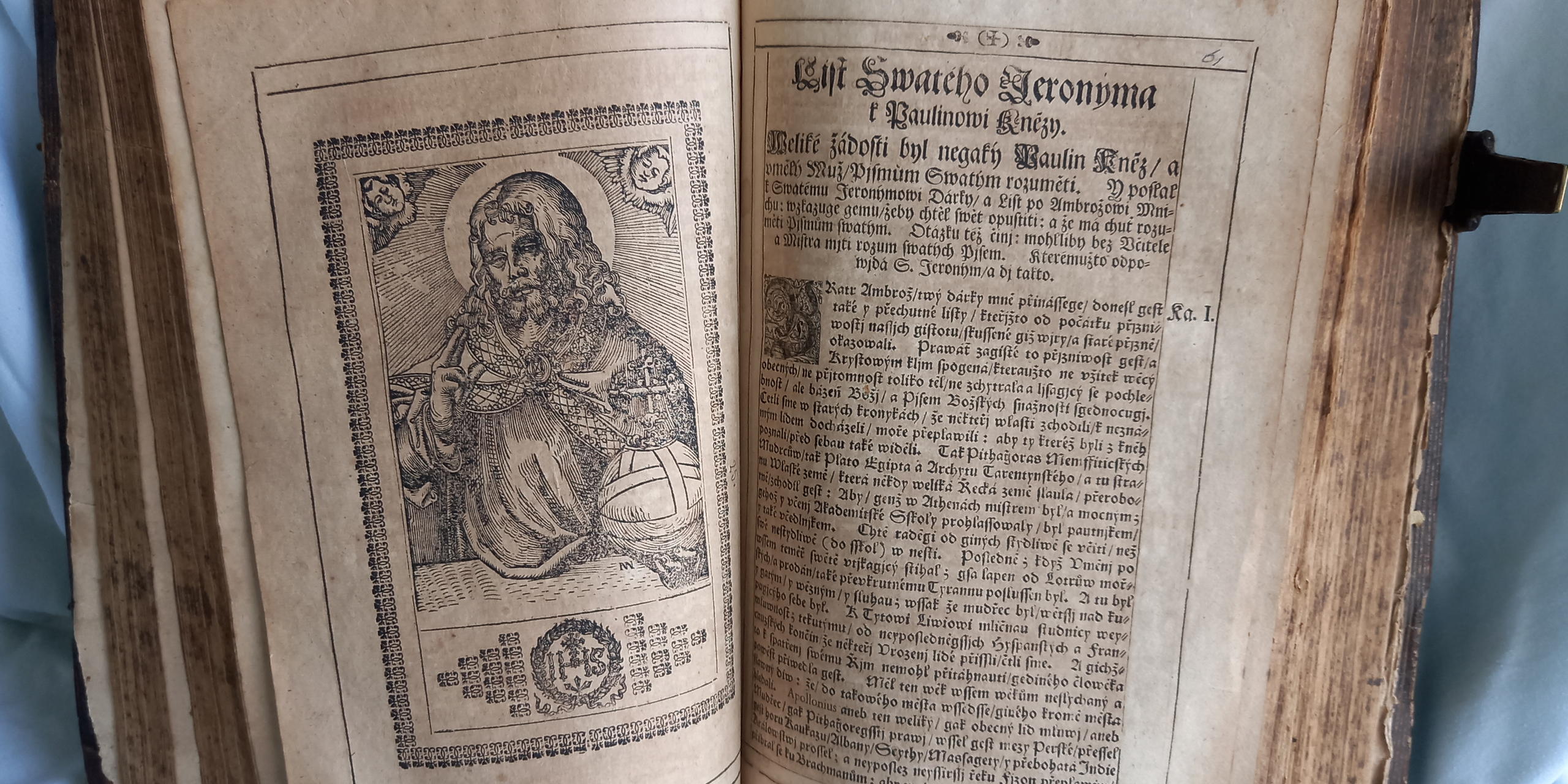
That is also the case with a family Bible from 1667, printed in Gothic typeface in old Czech. It has been kept in the current owner’s family for at least five generations.
“Our Czech Bible (Biblia Bohemica) from 1667, printed in Gothic typeface in old Czech, has been in our family for as long as my grandmother could remember. She was a Pemica, that is, a Czech woman from Kreka near Tuzla. The Bible was kept in the family by her father, my great-grandfather, who was born in the Czech lands, studied mining engineering in Vienna, and then, during the Austro-Hungarian Empire, became director of the Kreka coal mine in Bosnia. He had a wife, also Czech, and nine children, and the Bible passed to my grandmother as the youngest daughter after the death of her father, whom my own father called djedeček when referring to his Czech grandfather. My father is an only child, I have a brother, but because I studied art history and have always had an interest in family stories and old photographs, my father decided to entrust the Bible to me for safekeeping for the next generation. So this Czech Bible has been preserved by at least five generations, and family tradition says it has always been in the family,” explains the owner, who asked to remain anonymous, and who also associates the Bible with some charming anecdotes, including one about her grandmother and great-uncle. “There is a well-known family story that my grandmother and her younger brother, who were the eighth and ninth children in their family, used the Bible as a sled when they were little children and slid down snowy slopes sitting on it. The Bible has engraved leather covers that glided very well over snow and two brass clasps, but since my grandmother used one clasp as a handle while sledding, she broke one of them.”
When the family book became an urgent conservation problem
Objects like this require careful preservation, but also careful thought about how to protect them when a real threat appears. In this case, the threat came in the form of book moths.
“I kept the Bible in a tightly closed plastic briefcase, and a year ago I placed sachets of lavender inside for the scent. I mention this because I later heard that I may have introduced the moths into the case myself, because, paradoxically, their eggs are sometimes found in lavender sachets that are used precisely against them. In any case, because I occasionally take it out and leaf through it, while remembering with nostalgia my loved ones who are no longer here, I was horrified when I opened the case about six months ago and saw book moths crawling all over the Bible, באמת quite a lot of moths, and it had never been infested before. I immediately thought of pesticides and how to get rid of the infestation before they ate it away,” says the owner of the Bible.
With old books, such a situation requires swift and professional action. Paper, leather, and adhesives are organic materials that are vulnerable to attack by insects and other harmful organisms. Once the problem is detected, the first goal is to stop its spread and stabilize the condition of the object, so that what still exists can be preserved and further conservation and restoration procedures can be made possible.
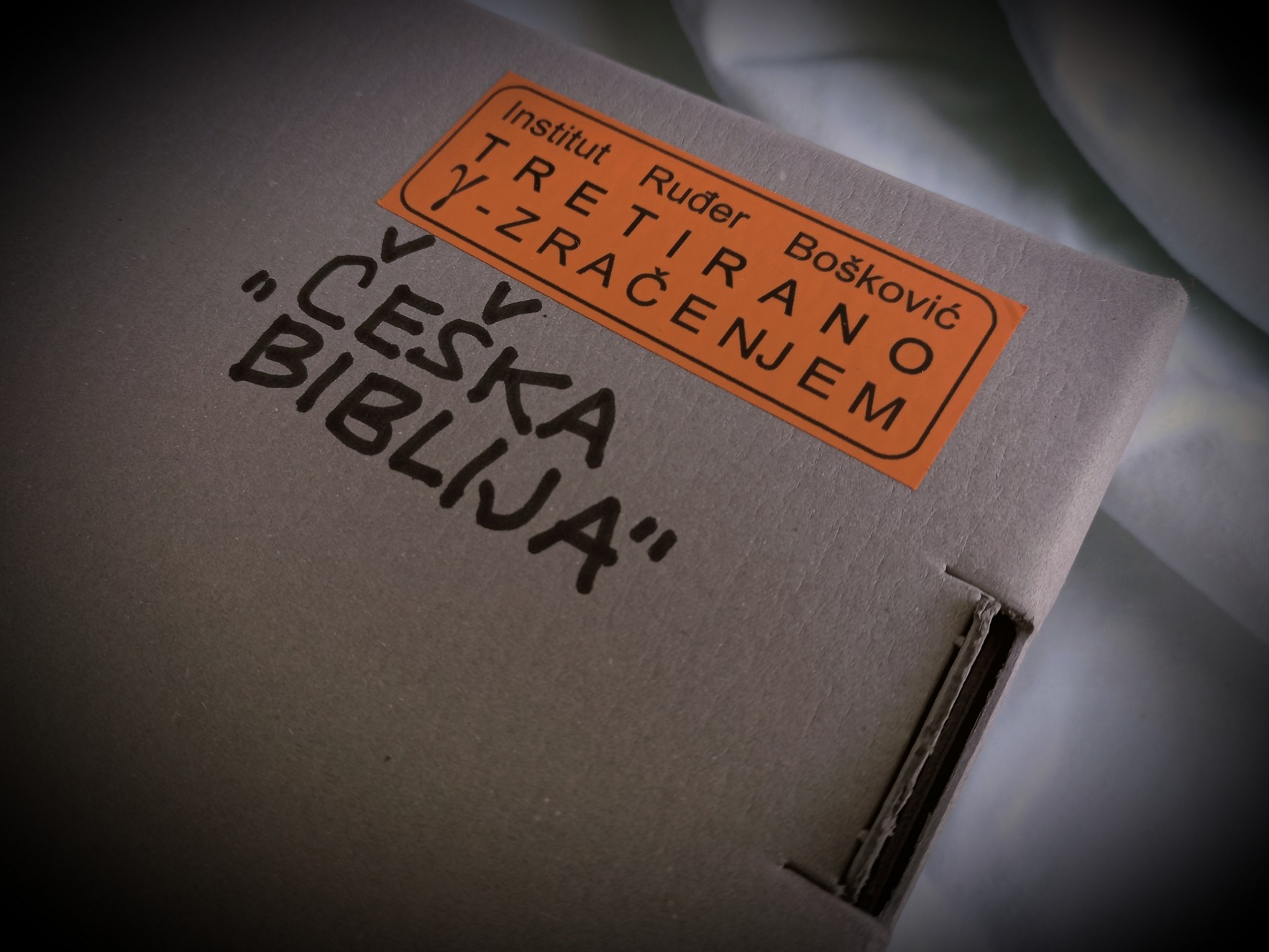
The owner therefore turned to restoration professionals. The recommendation she received was clear, for this kind of threat, the best solution was radiation disinfestation at the Ruđer Bošković Institute, followed by storing the book in an appropriate protective, acid-free box.
That recommendation opened the way for an encounter between family heritage and highly specialized scientific infrastructure.
Gamma radiation in the service of heritage preservation
Radiation disinfestation of this Bible was carried out using a gamma irradiation device. This is a method used when harmful organisms need to be effectively removed from sensitive organic materials under controlled treatment conditions.
One of the important applications of ionizing radiation is precisely the destruction of insects, their larvae and eggs, as well as other biological contaminants that may be present on cultural heritage objects. In the case of old books, manuscripts, covers, and other sensitive items, this method makes it possible to stop processes that, in the long term, lead to the destruction of the material.
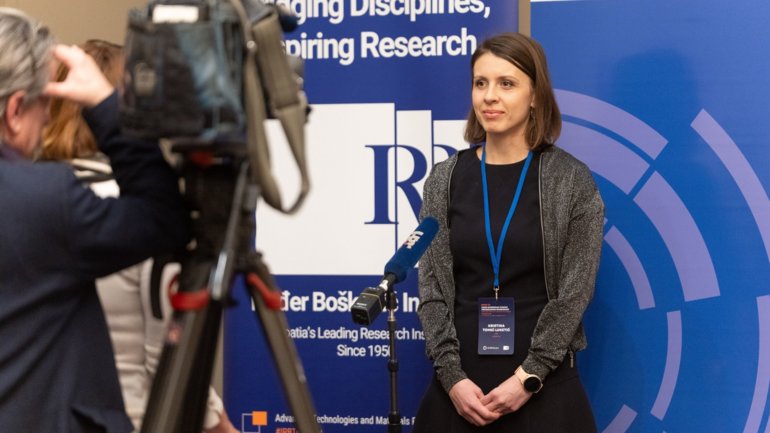
“In this specific case, effective irradiation of the covers halted the further progression of biodegradation and stabilized the object’s existing condition before any subsequent conservation and restoration procedures. This is a key phase in the protection of such objects, to ensure that the process of deterioration no longer develops and that the object can continue to be kept in safe conditions,” explains Dr Željka Knežević Medija, Head of the Laboratory for Radiation Chemistry and Dosimetry at the RBI.
Such a procedure is based on well-researched effects of radiation on biological systems. Radiation damage to DNA molecules has a very concrete application in the elimination of bacteria, moulds, yeasts, parasites, and insects that appear as contaminants on various materials. This is why radiation treatment has long held an important place in procedures involving pharmaceuticals, cosmetic products, medical supplies, and other sensitive products.
What is researched and carried out in the Laboratory for Radiation Chemistry and Dosimetry
This story also opens up a broader view of the work of the Laboratory for Radiation Chemistry and Dosimetry at the Ruđer Bošković Institute, where such procedures have been carried out for many years. In the laboratory, radiation procedures for eliminating harmful organisms and microbiological contaminants are performed using a panoramic 60Co radiation source.
“The work of the laboratory relies on knowledge developed through the radiation treatment of various materials, from pharmaceutical, cosmetic, and medical products to other systems in which radiation can have a beneficial chemical or biological effect. Depending on the type of material, exposure to radiation produces changes that enable its safer use, better stability, or the removal of unwanted biological contaminants,” says Dr Željka Knežević Medija.
Within this framework, the protection of cultural heritage occupies a very important place. Old books, archival materials, and other organic materials require an approach that combines an understanding of the object’s material structure, the effects of radiation, and the requirements of the conservation profession. It is precisely at this point that laboratory knowledge gains broader social value, it is applied where it is necessary to preserve objects of lasting cultural and historical importance.
From a family story to public value
What makes this Bible especially significant is that it belongs to private family heritage. Such objects often remain outside public view, but that does not make them any less valuable. On the contrary, a large part of the heritage that shapes our understanding of the past is found precisely in private collections, family libraries, and household archives.
In this family, the Bible is passed down according to an unwritten rule, it is entrusted to the person who shows respect for the inheritance and the willingness to preserve it.
“The Bible has exceptional emotional value for me, our family tradition is that it is passed on to the person who will preserve it, never sell it. When I grow old, I will simply decide which of the current descendants has the most respect and affinity for family heritage. I believe it is important in general to preserve cultural heritage, after all, that is something I teach children in visual arts classes,” explains the owner.
That is why the owner’s reaction was quick and decisive. She saw the moth infestation as a serious threat to an object that holds a special place in the family. The whole process also had personal weight for her, because the book had practically never left the family home until then. An important part of that experience was the safety of the procedure, as well as trust in the Institute’s expertise.
The process itself, as she describes it, was quick and well organized, only a few days passed from the first contact to the return of the Bible. For the owner, that meant great relief, and for the book itself, an important step toward longer-term preservation.
Cultural heritage requires both knowledge and infrastructure
Stories about heritage protection are often associated with restoration workshops, museum depots, and archives. Equally important are the laboratories in which methods needed for the stabilization and protection of sensitive materials are developed and carried out. It is precisely this cooperation between the conservation profession and scientific infrastructure that makes it possible to preserve endangered objects at the moment when they most need help.
In the case of this Bible, radiation disinfestation made it possible to stop a harmful biological process and prepare the object for further preservation under appropriate conditions. In doing so, it protected both the book and what it represents, the continuity of family tradition, cultural memory, and a historical trace that has survived centuries.
At a time when heritage is often viewed through major collections and representative institutions, examples like this remind us that an important part of it is also preserved within families. When the need for protection arises, scientific methods and expert services such as those provided by the Ruđer Bošković Institute become a crucial support in preserving such objects.
Science that helps heritage remain alive
Preserving an old book sometimes begins with a simple question, how can it be protected from further deterioration? The answer often involves much more than storage alone. It includes knowledge of materials, an understanding of biodegradation processes, precisely dosed treatment, and appropriate storage conditions after the intervention.
The story of the 1667 family Bible shows how important it is that such methods exist and are available. It also shows how important it is for scientific laboratories to be connected to the concrete needs of society, from protecting health and material safety to preserving cultural heritage.
For one family, this means that a precious book can continue its journey through generations. For the Ruđer Bošković Institute, it is another example of how scientific expertise finds direct application in the protection of valuable and sensitive objects. For all of us, it is a reminder that heritage is preserved through care, responsibility, and methods that can ensure its endurance.